Blog
Tips and updates from the SiteAudit team.

SiteAudit vs Site Audit Pro
An honest comparison of SiteAudit and Site Audit Pro — where the two site inspection apps overlap, where they differ, and how to decide which fits your team.

Fire Risk Assessment Software
Fire risk assessment software compared — structure the assessment, capture findings with photo evidence, and track the action plan to close-out, with an honest

Construction Daily Report Software
Construction daily report software compared — capture weather, labour, plant, progress and issues with photos on site, and turn the day into a clean, searchable

Fire Door Inspection Software
Fire door inspection software compared — run structured per-door checks with photo evidence, keep a door register with inspection history, and track remedials t

Safety Management Software
Safety management software for construction compared — connect inspections, hazard reports and corrective actions into one tracked system, with an honest look a

Incident Reporting Software
Incident and near-miss reporting software compared — capture events with photos on site, assign corrective actions, and close them out with a defensible record.

Safety Inspection Apps
A safety inspection app is only useful if the crew actually reports through it. Here's what to look for, what to ignore, and how to get adoption to stick.

Construction Quality Control Software
Construction quality control software should follow how QC actually works on site — ITPs, hold points, non-conformances and sign-off. Here's what to look for.

Quality Inspection Software
Quality inspection software turns scattered checks into a defensible record. Here's what separates real quality tooling from a checklist app, and how to choose.

Water Hygiene and Tank Inspections Explained
Water hygiene keeps a building's water safe and controls Legionella; tank inspections are central to it. Here's what a cold water tank inspection checks and how

Emergency Lighting Testing Explained
Emergency lighting illuminates escape routes when power fails — and must be tested because it sits idle until needed. Here's the monthly and annual tests, what'

Building Compliance Checklist for Facilities Managers
A building compliance checklist gives facilities managers one structured view of the inspections and records a building needs. Here's the framework — fire, elec

Dilapidations Surveys Explained
A dilapidations survey assesses a leased property's condition against the lease to determine a tenant's repair liabilities. Here's how it works, the schedule of

Hard FM vs Soft FM Explained
Hard FM covers the building's physical systems and statutory compliance; soft FM covers occupant services like cleaning and security. Here's the distinction and
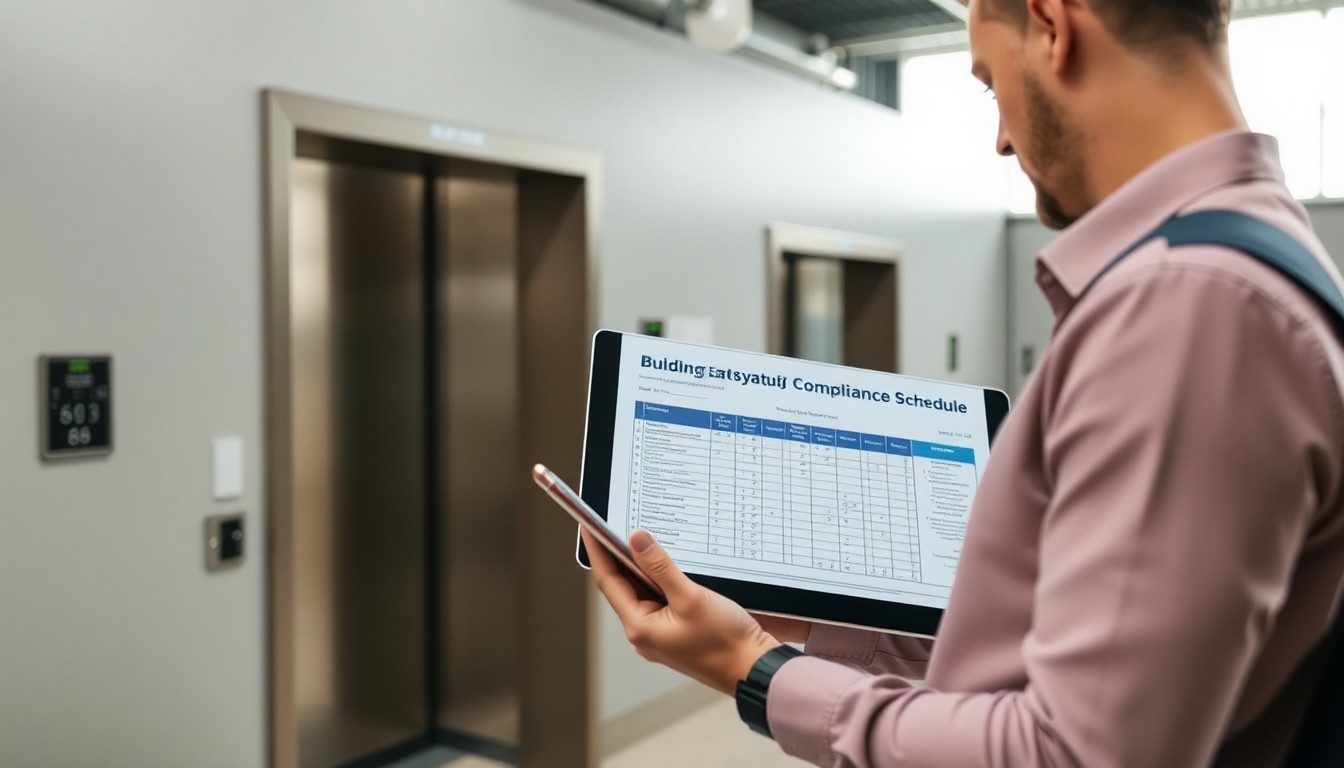
Statutory Compliance Inspections for Buildings
Statutory compliance inspections are the legally required checks a building must have — fire, electrical, gas, water, lifts, asbestos. Here's what they cover an

Reactive vs Planned Maintenance Explained
Reactive maintenance fixes things after they break; planned maintenance prevents failures on a schedule. Here's the difference, the trade-offs, and how to find

PAT Testing Explained: A Practical Guide
PAT testing checks portable appliances are safe through visual inspection and electrical testing. Here's what it is, the myth about annual testing, and why freq

Legionella Control: Monitoring and Records
Legionella control is the ongoing work of carrying out the control scheme — and recording it. Here's the monitoring (temperatures, flushing, tanks) and why reco

Legionella Risk Assessment Explained
A legionella risk assessment identifies the risk of Legionella in water systems and the controls to manage it. Here's what it covers — temperature, stagnation,

Asbestos Register and Management Plan Explained
The asbestos register records what asbestos is where; the management plan sets out how the risk is controlled. Here's how both work, manage-in-place vs remove,

What Is an Asbestos Survey? Types Explained
An asbestos survey identifies where asbestos is in a building and its condition — the foundation of the duty to manage. Here are the two main types: management,

Building Condition Survey Checklist
A building condition survey checklist gives surveyors an element-by-element framework so nothing is overlooked. Here it is — structure, fabric, services, extern

Building Condition Survey: A Complete Guide
A building condition survey systematically assesses a building's structure, fabric, and services, grading condition and pricing repairs. Here's what it covers,

Planned Preventive Maintenance Checklist
A PPM checklist keeps each scheduled maintenance visit consistent and ensures statutory tasks aren't missed. Here's how to build one around your asset register

What Is Planned Preventive Maintenance (PPM)?
Planned preventive maintenance services building assets on a schedule to prevent failures — the opposite of run-to-failure. Here's what PPM is, what it covers,

Fire Safety Inspection Checklist for Buildings
A fire safety inspection checklist for buildings helps you routinely check fire measures between formal assessments. Here's the framework — escape, fire doors,

The Building Safety Act and Fire Safety Duties
The Building Safety Act 2022 overhauled UK building safety after Grenfell, with new duties for higher-risk buildings and the "golden thread" of information. Her

Fire Door Maintenance: A Practical Guide
Inspection finds fire door defects; maintenance fixes them. Here's a practical guide to fire door maintenance — adjusting closers, replacing seals, when to repl
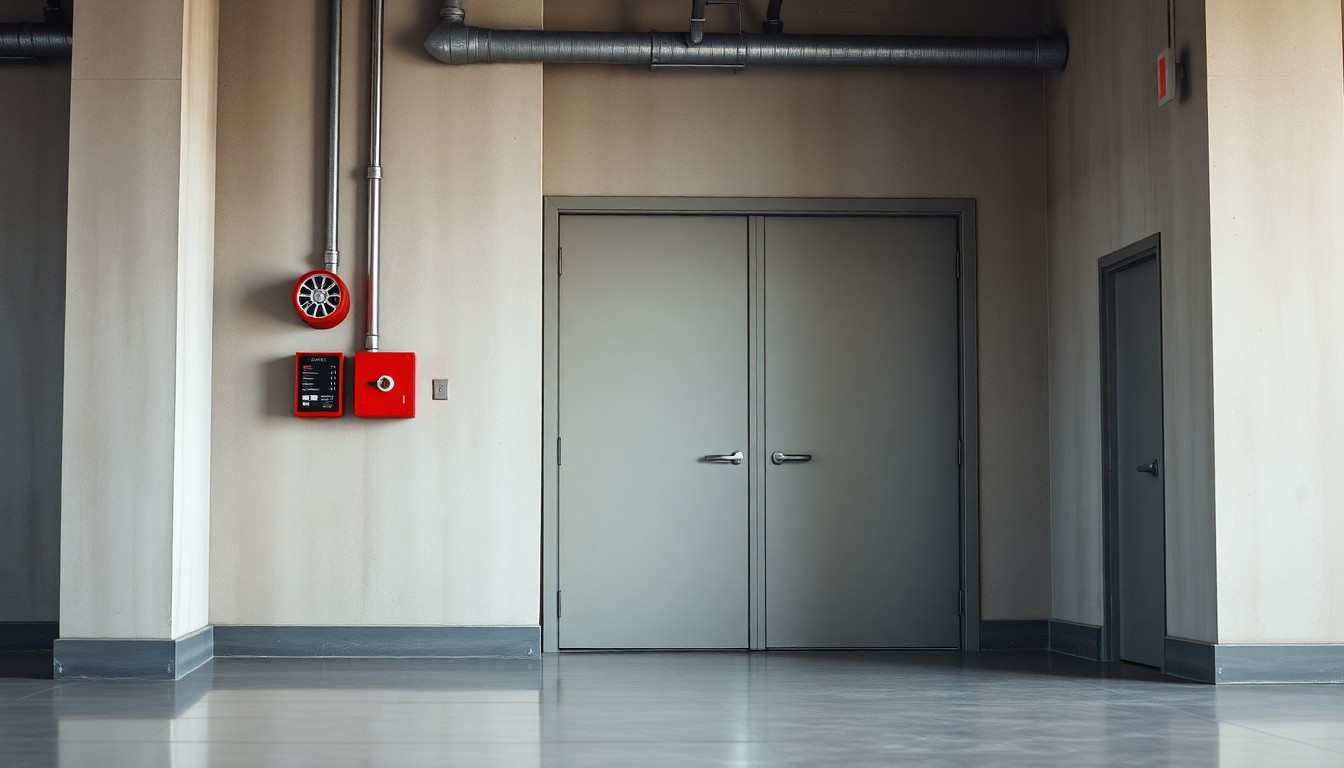
Active vs Passive Fire Protection Explained
A safe building needs both halves of fire safety. Active protection detects and fights fire; passive protection contains it. Here's the difference, what each in

Fire Risk Assessment Checklist
A fire risk assessment checklist prompts the key areas an FRA should examine — ignition, fuel, escape, detection, fire-fighting, passive protection, and managem

What Is a Fire Risk Assessment?
A fire risk assessment identifies fire hazards, who's at risk, and the measures needed to keep people safe — and it's a legal requirement. Here's what an FRA is

Fire Damper Inspection and Testing Explained
Fire dampers close ductwork where it crosses compartment lines — and because they're mechanical and hidden, they must be tested, not just inspected. Here's how

Cavity Barrier Inspection Checklist
Cavity barriers close concealed voids so fire can't spread unseen and bypass compartmentation. Here's a cavity barrier inspection checklist — presence, correct

Fire Compartmentation Survey: A How-To Guide
A compartmentation survey checks that a building's fire compartments are actually intact. Here's the step-by-step process — from fire strategy and access to sur

What Is Compartmentation in Fire Safety?
Compartmentation divides a building into fire-resisting compartments that contain a fire and protect escape routes. Here's what it is, what forms a compartment,
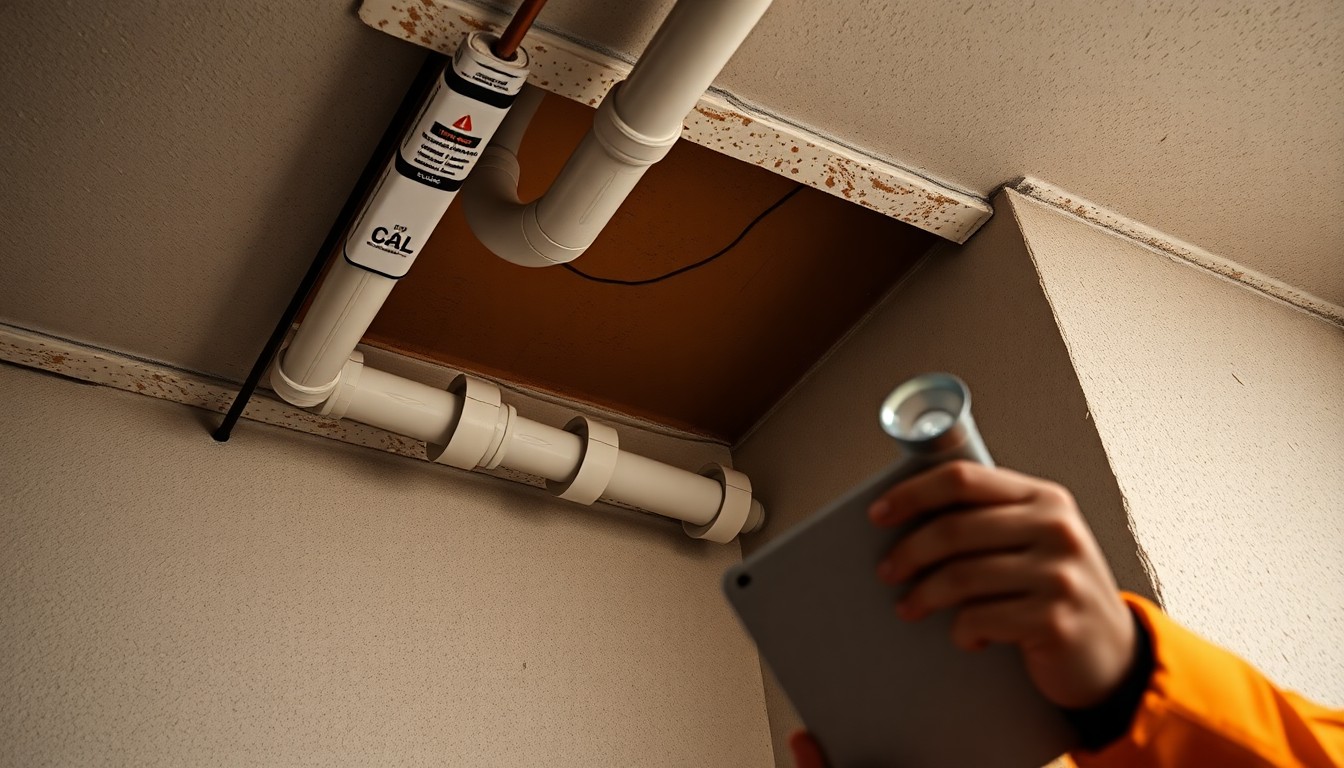
Fire Stopping Inspection: What to Check
Fire stopping seals the gaps where services pass through fire-rated walls and floors. Here's what a fire stopping inspection checks — where to look, the right t

Common Fire Door Defects (and How to Spot Them)
Surveys find a large share of fire doors defective — but the same faults recur. Here are the common fire door defects and how to spot them: wedged doors, failin

How Often Should Fire Doors Be Inspected?
How often should fire doors be inspected? It depends on the door's risk, use, and your building's regulations. Here are the benchmark intervals and how to set t

Fire Door Inspection Checklist
A fire door inspection checklist lets you check every door to the same standard. Here's the full framework — certification, gaps, seals, self-closer, hinges, le
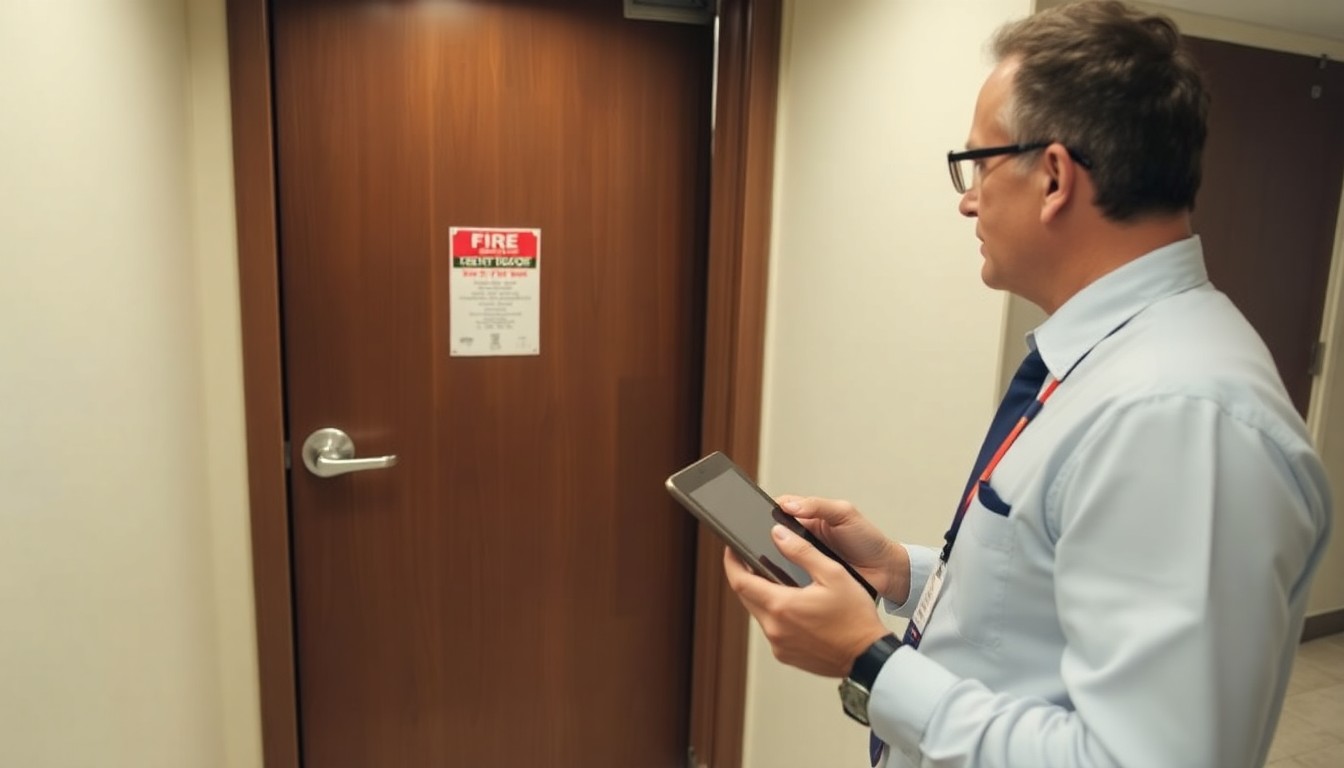
Fire Door Inspection: A Complete Guide
A fire door only works if every component is correct and maintained. Here's what a fire door inspection involves — certification, gaps, seals, self-closers — wh

What Is Passive Fire Protection? A Complete Guide
Passive fire protection is the built-in fire resistance of a building — compartmentation, fire doors, fire stopping. Here's what it is, how it differs from acti

Material Delivery Inspection Checklist Template
Checking materials at delivery is the cheapest, highest-value quality control there is. Here's a material delivery inspection checklist template — documentation, condition, quantity, certification, and storage.

Construction Project Closeout Checklist
Project closeout ties up every contractual, financial, and documentary loose end — and it's where projects stall once the urgency fades. Here's a closeout checklist to keep it disciplined.

Site Safety Inspection Checklist Template
A site safety inspection checklist template makes safety walks thorough, repeatable, and recorded. Here's what to cover — access, height, excavations, plant, fire, PPE — and how to act on findings.

Snagging Report Template for New Builds
A snagging report communicates new-build defects to the developer in a form they can act on. Here's what a snagging report template should include — room-by-room items, descriptions, and photos.

Construction Quality Inspection Checklist Template
A quality inspection checklist template checks work against the spec and acceptance criteria. Here's how to build one — items tied to criteria, evidence against each, and fails tracked to closure.

Scaffold Inspection Checklist Template
Scaffold inspection is a legal requirement and a critical safety control. Here's a scaffold inspection checklist template — foundations, ties, platforms, edge protection, access, and recording.

Plant and Equipment Inspection Checklist Template
Faulty plant causes serious incidents and downtime. Here's a plant and equipment inspection checklist template for operator pre-use checks — visual, fluids, controls, safety systems, and lifting.

Pre-Start Checklist for Construction Projects
A pre-start checklist confirms a project or activity is ready to begin — approvals, information, site setup, RAMS, people, and plant. Here's what to cover before work starts.

Construction Punch List Template
A punch list tracks the outstanding items before completion — and often gates payment. Here's what a punch list template should include: location, trade, description, photo, and status to closure.

Site Diary Template: What to Record Daily
A site diary is the daily contemporaneous log of site events — and your best protection in a dispute. Here's what to record every day and how a template keeps it consistent and reliable.

Construction Handover Checklist Template
Handover is where loose ends become disputes. A handover checklist template covers the works, commissioning, certificates, the O&M pack, keys, and formalities — so the project closes cleanly.

Risk Assessment Template for Construction
A risk assessment identifies hazards, rates the risk, and sets controls. Here's what a construction risk assessment template should include — hazards, risk rating, the hierarchy of control, and review.
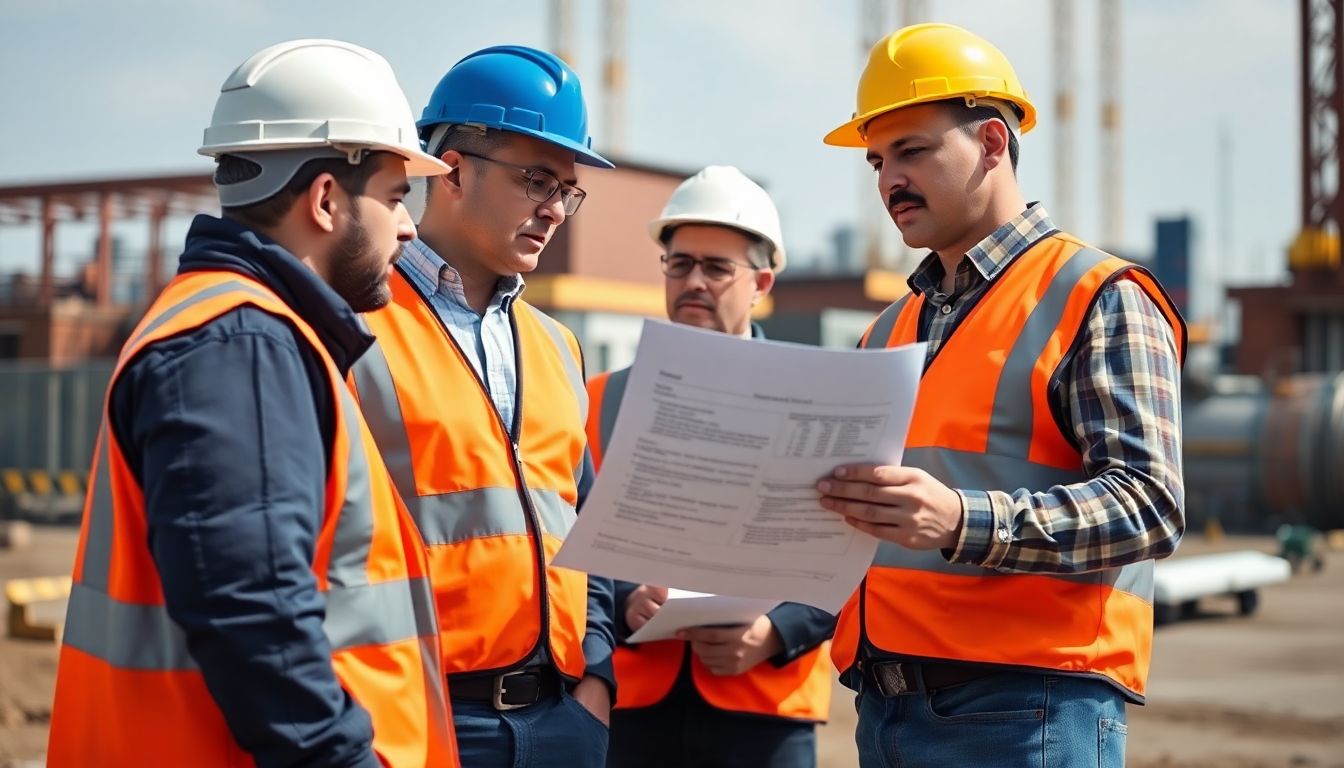
Method Statement Template: A How-To Guide
A method statement describes how a task will be done safely, step by step. Here's what a method statement template should include — scope, sequence, controls, PPE — and how to write a good one.

Toolbox Talk Template: What to Include
A toolbox talk template keeps safety briefings focused and produces the attendance record that proves they happened. Here's what to include — topic, key points, discussion, and sign-off.

Construction Daily Report Template Explained
A daily report template standardises the daily site record so it's complete and consistent. Here's what to include — weather, labour, work, delays, photos — and why consistency is the point.

Construction Site Inspection Checklist Template
A site inspection checklist template lets you inspect consistently every time. Here's what a good one includes — header, grouped sections, pass/fail, photos, and assigned actions — and how to use it.

Building Envelope Inspection Checklist
The building envelope keeps weather out and controls heat — and its defects haunt projects longest. Here's an envelope inspection checklist covering walls, insulation, barriers, windows, and junctions.
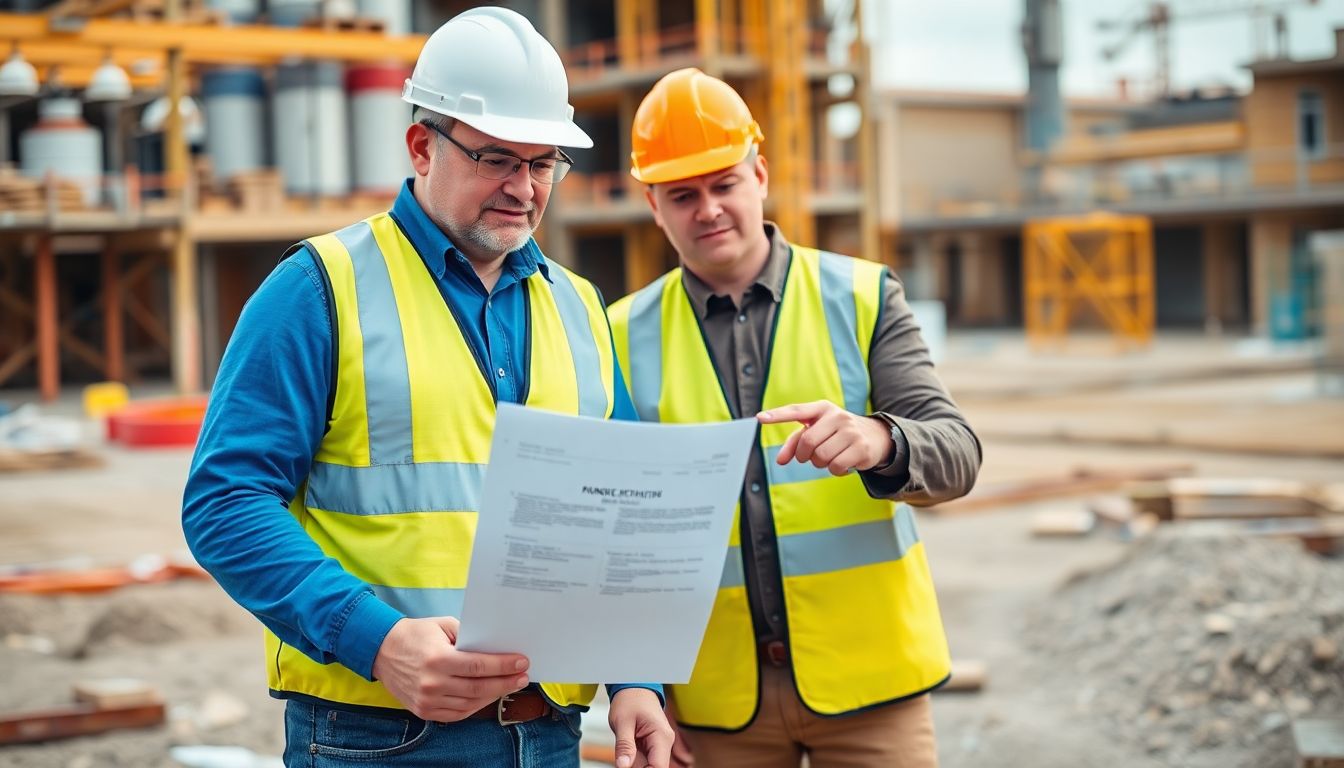
How to Audit a Subcontractor's Work
Auditing a subcontractor checks their processes and records, not just the finished work. Here's how to audit against agreed requirements, sample the evidence trail, and drive corrective action.

Final Walkthrough Inspection: A Step-by-Step Guide
The final walkthrough is the last inspection before handover, often with the client present. Here's a step-by-step guide — preparing, walking room by room, recording items, and agreeing the action list.
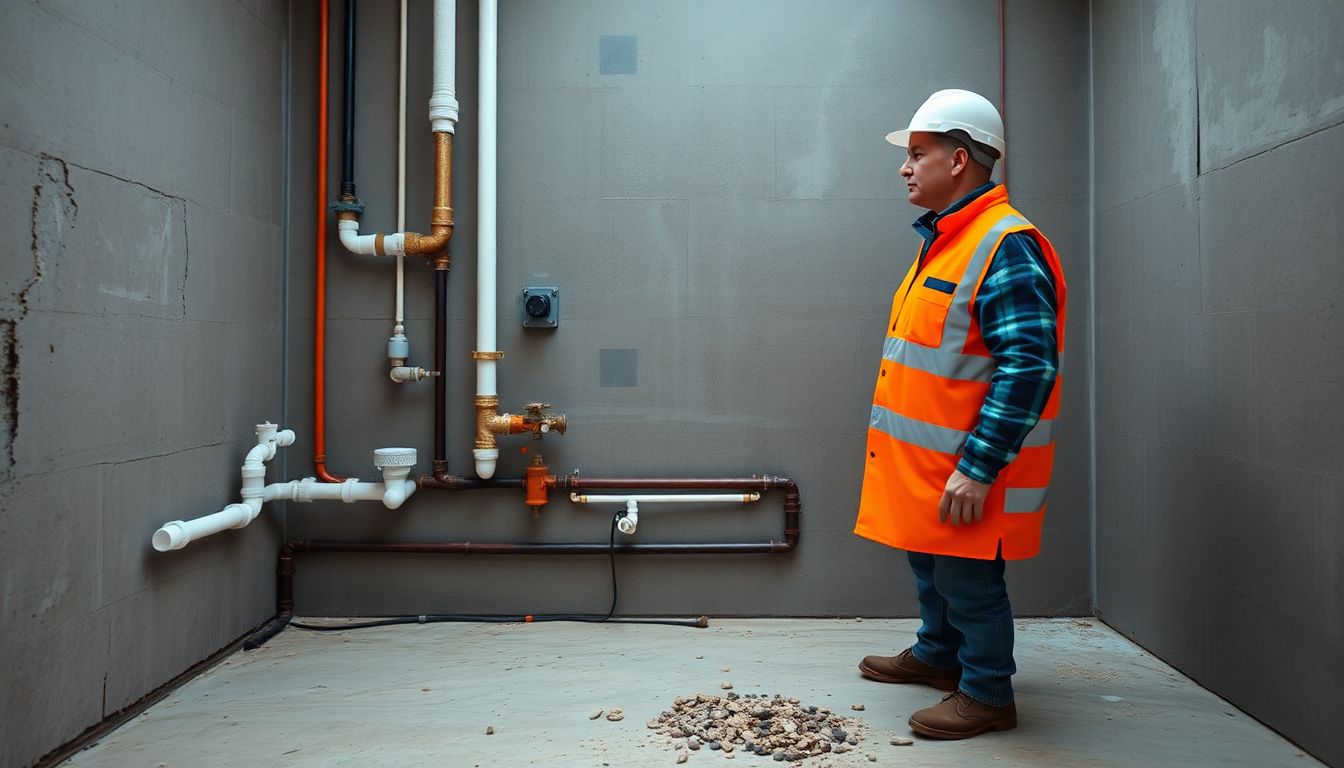
Plumbing Rough-In Inspection Checklist
Plumbing rough-in is the key inspection point — once it's covered, fixing a leak means opening finished surfaces. Here's a rough-in checklist covering routing, supply, waste, and pressure testing.

Electrical Installation Inspection Checklist
Electrical testing must be done by a qualified electrician — but a site checklist helps managers coordinate, photograph first-fix routes, and confirm certification is in place. Here's the framework.

Roofing Inspection Checklist for Contractors
The roof is the building's main defence against water, and roofing defects are costly to fix after the fact. Here's a roofing inspection checklist — structure, membrane, coverings, flashings, and more.
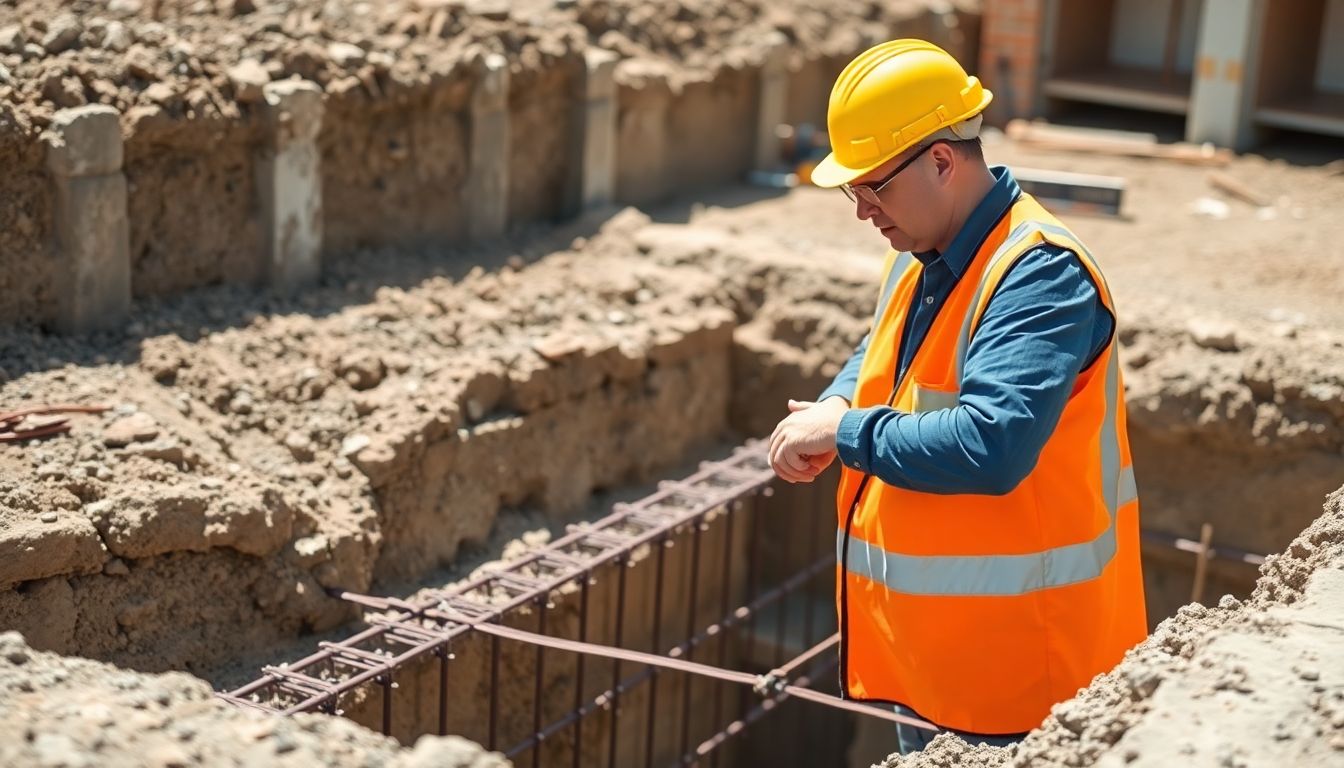
Foundation Inspection Checklist
Foundations carry the whole building and defects are buried by the pour. Here's a foundation inspection checklist — excavation, formation, the critical pre-pour hold point, and records to keep.

Site Inspection Photo Documentation Best Practices
A good site photo proves the problem, shows its scale, and fixes its location. Here are photo documentation best practices — context and detail shots, scale, timestamps, and staying organised.

How Often Should You Inspect a Construction Site?
How often should you inspect a construction site? It depends on the type — statutory intervals, risk-driven safety walks, stage-driven quality checks. Here's how to set the right frequency.

Quality Site Inspection Checklist for Contractors
A quality inspection checklist gives contractors a consistent way to check work before it's covered or handed over. Here's a framework following the construction sequence, stage by stage.

Construction Site Audit vs Inspection: Key Differences
An inspection checks the work; an audit checks the system behind it. Here are the key differences — frequency, focus, evidence vs observation, and independence — and how the two work together.

How to Write a Site Inspection Report
A site inspection report turns a walk into a usable record. Here's how to write one — header details, findings by location, factual descriptions, labelled photos, and ownable actions.

Pre-Construction Site Inspection Checklist
The pre-construction inspection sets the baseline and surfaces problems before work starts. Here's a checklist — boundaries, existing conditions, buried services, access, utilities, and approvals.

Daily Site Inspection Report: What to Include
The daily site report is your contemporaneous evidence of progress, conditions, and events. Here's what to include — weather, labour, work, delays, photos — and how to capture it reliably.

Types of Construction Inspections Explained
"Inspection" means many things on site. Here are the main types — quality, safety, statutory, progress, material, commissioning, and environmental — what each is for, and who runs it.

How to Conduct a Construction Site Inspection
A site inspection is a structured check against a standard — not a casual walk-round. Here's how to conduct one properly, from preparation and method to recording findings and follow-up.

Snagging a New Build: A Homeowner's Guide
A new build is rarely defect-free. Here's how to snag your new home as a homeowner — when to inspect, what to look for, and how to get faults fixed at the developer's expense.

Witness and Hold Points in Construction QA
Hold points stop work until it's inspected; witness points are attended but don't halt progress. Here's how both work, how they differ, and why hold points must be non-negotiable.

How to Reduce Rework on Construction Projects
Rework can cost several percent of project value. It's mostly a system problem, not bad workmanship. Here's where it comes from and the practical steps that cut it.

Quality Control Checklist for Concrete Works
Concrete is unforgiving — most defects can't be fixed once it sets. Here's a quality control checklist for concrete works covering before, during, and after the pour.

ITP (Inspection and Test Plan) Explained
An Inspection and Test Plan defines how an activity is checked — the stages, acceptance criteria, responsibilities, and hold and witness points. Here's what an ITP contains and how to use it.

How to Manage Defects on a Construction Project
Defects are inevitable — what matters is how fast you close them. Here's a practical defect management process: identify, categorise, assign, rectify, verify, and close.

Construction Snagging Checklist (Room by Room)
A structured room-by-room snagging checklist makes your inspection consistent and complete. Here's the full framework — universal checks plus kitchen, bathroom, and external specifics.

Defect Liability Period Explained
The defect liability period defines how long a contractor must fix defects after completion — and when retention is released. Here's how it works and how to close it out cleanly.

How to Carry Out a Pre-Handover Inspection
The pre-handover inspection is the last quality gate before the client takes possession. Here's how to carry one out — what to check, why you test rather than look, and how to record it.

Common Snagging Defects in New Builds
Even good new builds throw up dozens of snags. Here are the defects that recur most often — paint, doors, tiling, kitchens, plaster, M&E, and external works — and how to catch them.

QA vs QC in Construction Explained
QA is the process; QC is the product. Here's the real difference between quality assurance and quality control in construction — and why you need both working as a feedback loop.

Construction Quality Control Plan: How to Build One
A quality control plan defines the standard, who checks it, and what record proves it. Here's what to include in a construction QCP and how to build one your team actually uses.

How to Write an NCR (Non-Conformance Report)
A Non-Conformance Report records work that fails to meet spec and controls how it's fixed. Here's when to raise an NCR, what to include, and the four standard dispositions.

Punch List vs Snagging List: What's the Difference?
Punch list or snagging list? They're the same core document — a list of defects to fix before completion — but the term and its contractual meaning differ by region. Here's what to know.

Snagging List Template: What to Include
A good snagging list template captures location, description, photo, trade, priority, and status. Here's exactly what to include — and how to structure it so snags get closed.

What Is Snagging in Construction? A Complete Guide
Snagging is the process of finding and fixing defects before a building is handed over. Here's what snagging means, when it happens, and how to run it well.

Permit to Work Systems Explained
Permit to work systems explained — when you need a permit, how the request-to-handback process works, why permits fail, and how to keep them closed out.

Construction Safety KPIs to Track
The construction safety KPIs worth tracking — lagging vs leading indicators, why leading metrics drive improvement, and how to capture the data automatically.

Manual Handling on Site: Risks & Controls
Manual handling on site — the TILE risk factors, how to control the risk, why technique alone isn't enough, and how to spot hazards during inspections.

Lifting Operations & LOLER Inspections Explained
Lifting operations and LOLER explained — what's covered, thorough examination intervals, planning every lift, and why pre-use checks still matter.
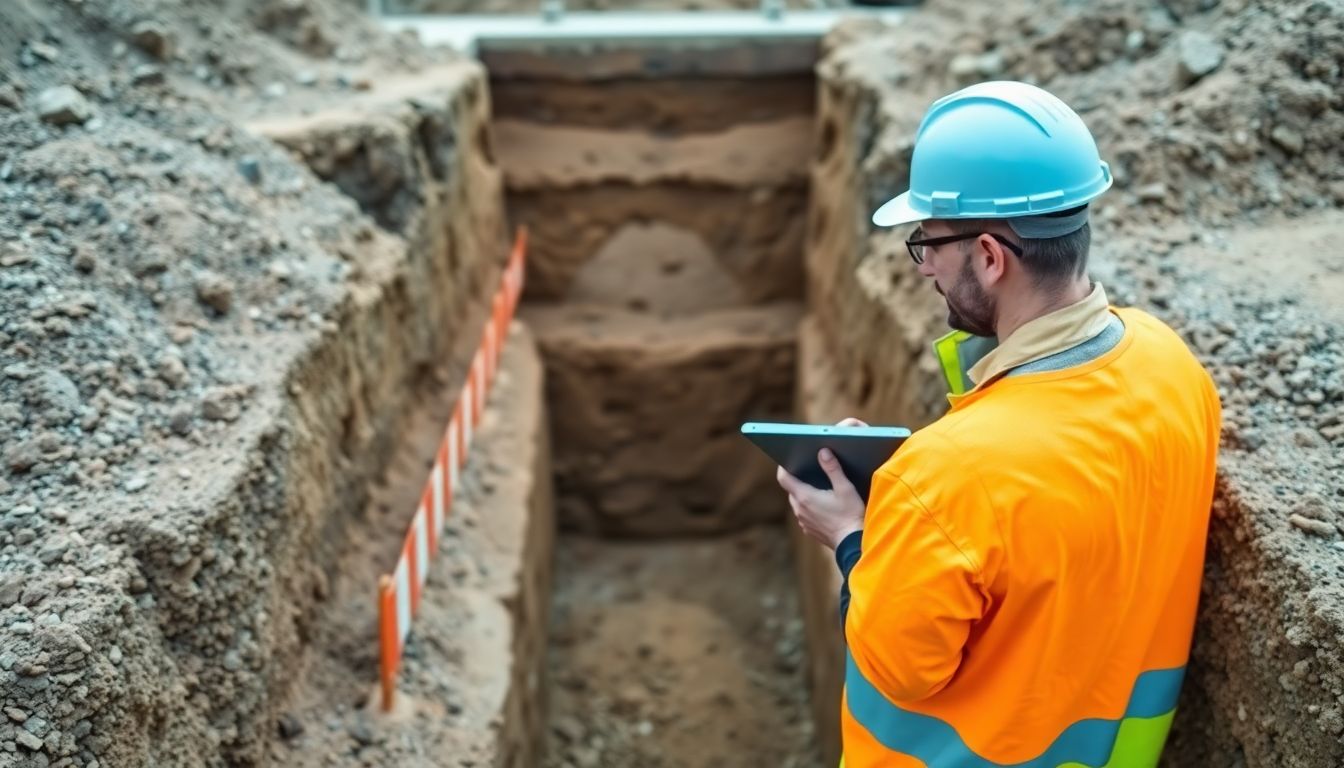
Excavation & Trench Safety Checklist
Excavation and trench safety — the main hazards, a daily checklist, why you must inspect before every shift, and how to record it.

COSHH on Construction Sites Explained
COSHH on construction sites explained — what counts as hazardous, the assessment process, why dust is the silent killer, and how to check controls.
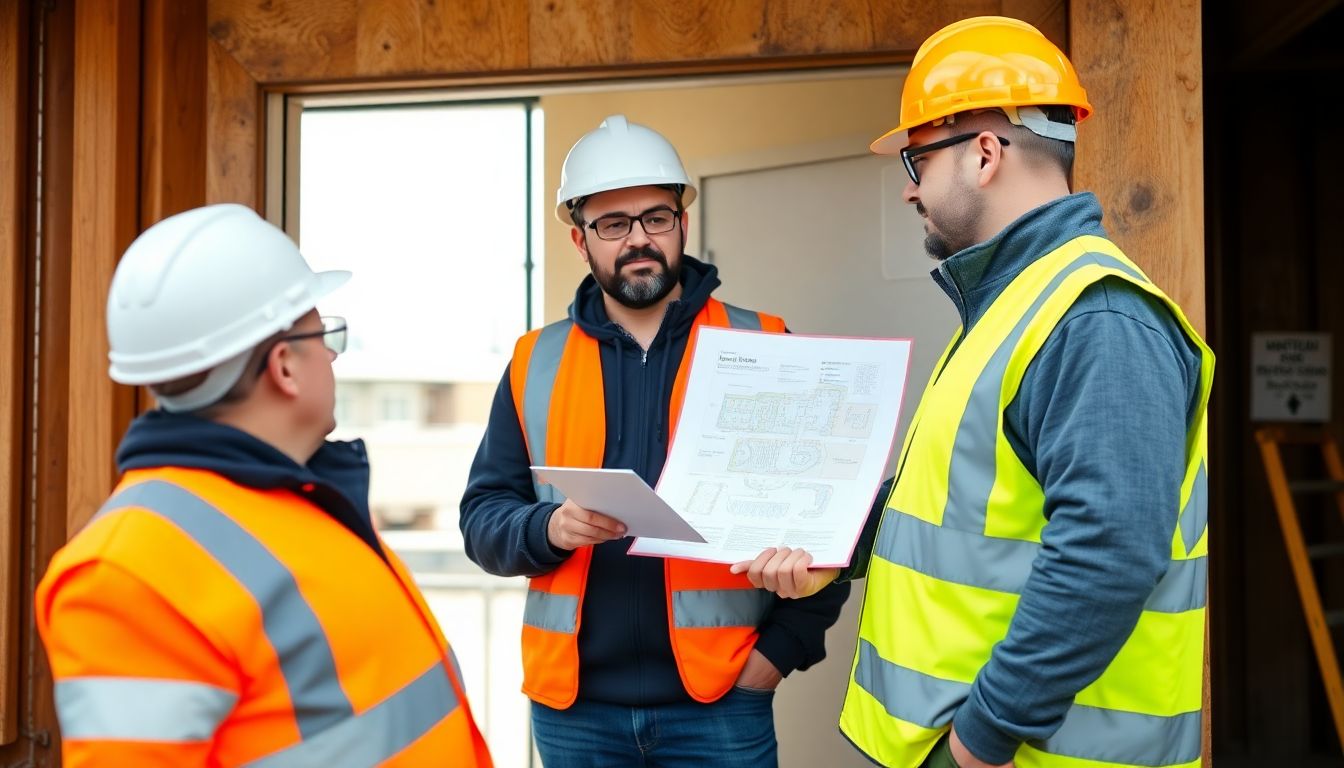
Construction Site Induction: What to Cover
What a construction site induction should cover, why it matters, how to keep it specific, and how to record who's been inducted and when.

How to Run a Site Safety Audit
How to run a site safety audit — the difference from an inspection, the step-by-step process, and how to close out findings so they actually get fixed.
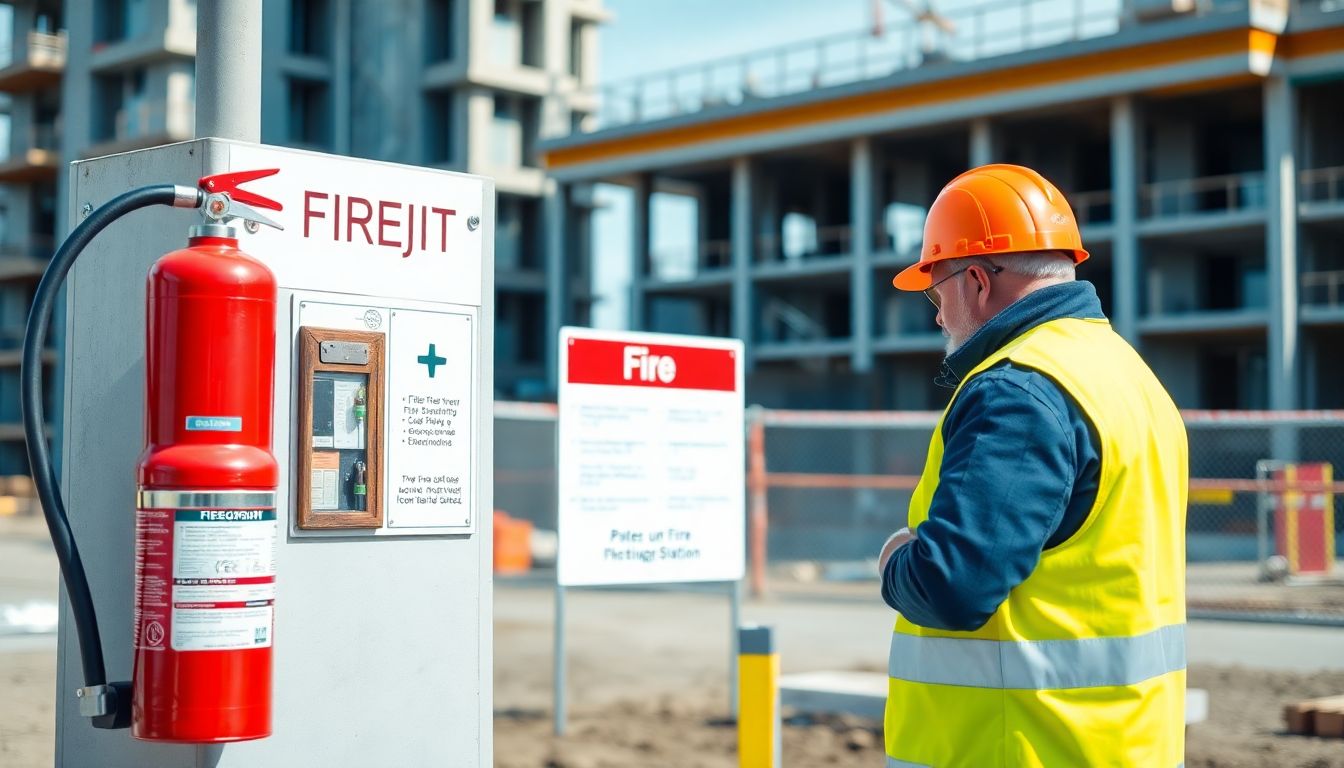
Fire Safety on Construction Sites
Fire safety on construction sites — the fire triangle, key controls like hot-works permits and escape routes, and why regular checks matter.

PPE Requirements on Construction Sites
The core PPE needed on construction sites, why it's the last line of defence, and how to track that it's actually worn — not just provided.

Working at Height Safety: Rules & Checklist
Working at height safety explained — the hierarchy of control, what to check before work starts, common failure points, and how to verify controls on site.

Scaffolding Inspection Requirements & Checklist
When scaffolding must be inspected, what to check at every level, who's qualified to inspect, and how to keep a proper inspection record.

Near Miss Reporting on Construction Sites
Why near misses are free safety warnings, what to capture, how to build a no-blame reporting culture, and how to make reporting frictionless.

What Is a RAMS? Risk Assessment & Method Statement Explained
RAMS explained — the difference between a risk assessment and a method statement, what a good one includes, and why they matter on site.
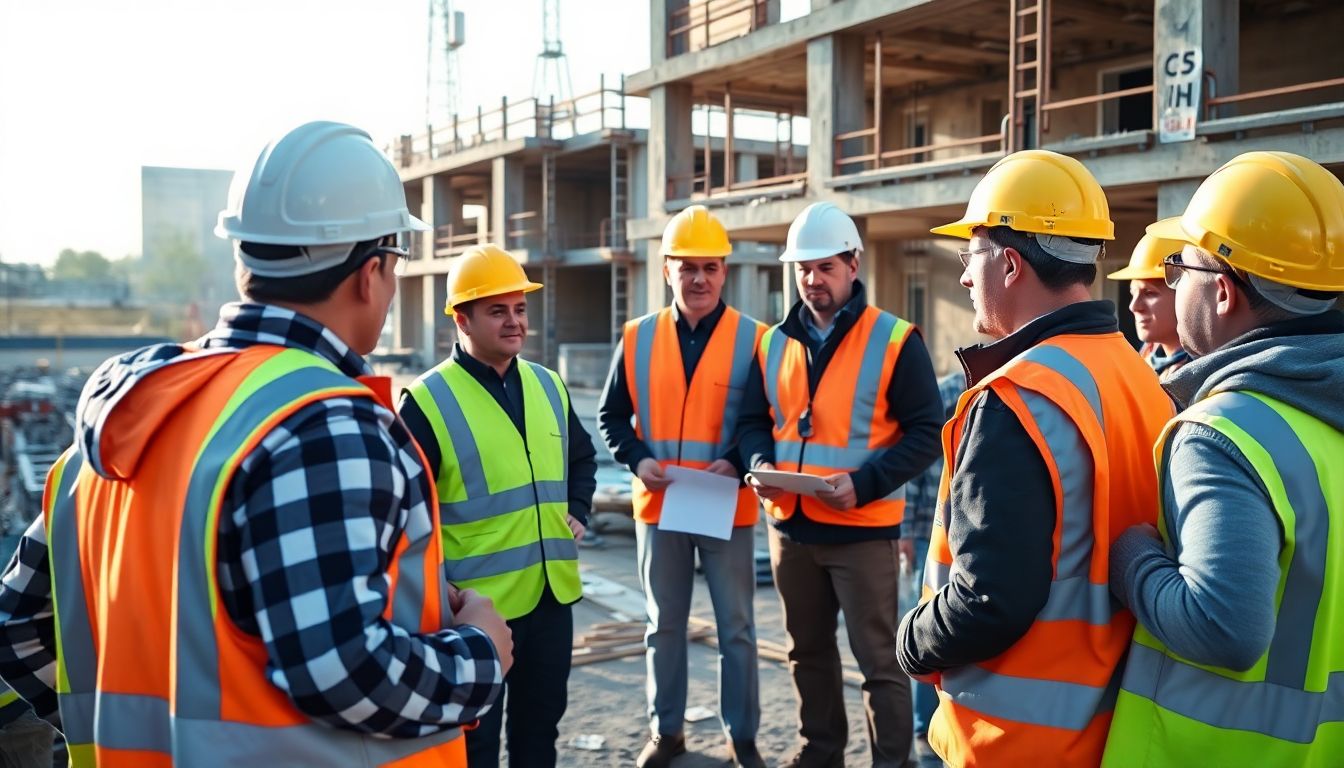
How to Run a Toolbox Talk on Site
What a toolbox talk is, how to run one that workers actually engage with, good topics to cover, and how to keep an audit-ready record.

Construction Site Safety Inspection Checklist
A complete construction site safety inspection checklist — what to check, how often, and how to turn your safety walk into a documented record.

Getting Your Crew to Use a New Site App
How to roll out a new site app so your crew actually uses it — training, buy-in and avoiding the common pitfalls.

The ROI of Going Digital on Site
How to calculate the return on digital site tools — time saved, fewer disputes and rework avoided.

Drones for Site Inspections: What's Realistic
What drones can and can't do for site inspections today — realistic uses, limits and costs.

QR Codes for Construction Site Management
Practical uses for QR codes on construction sites — asset tracking, inspections, documents and access.

How to Choose Construction Management Software
How to choose construction management software that fits your projects — features, pricing and avoiding overkill.

Digital Site Diary Apps Compared
The best digital site diary apps — log daily progress, weather, labour and photos in one searchable record.

Best Punch List Apps for Contractors
Punch list software and apps compared — create, assign and close punch items with photos, locations and verified sign-off from any device.
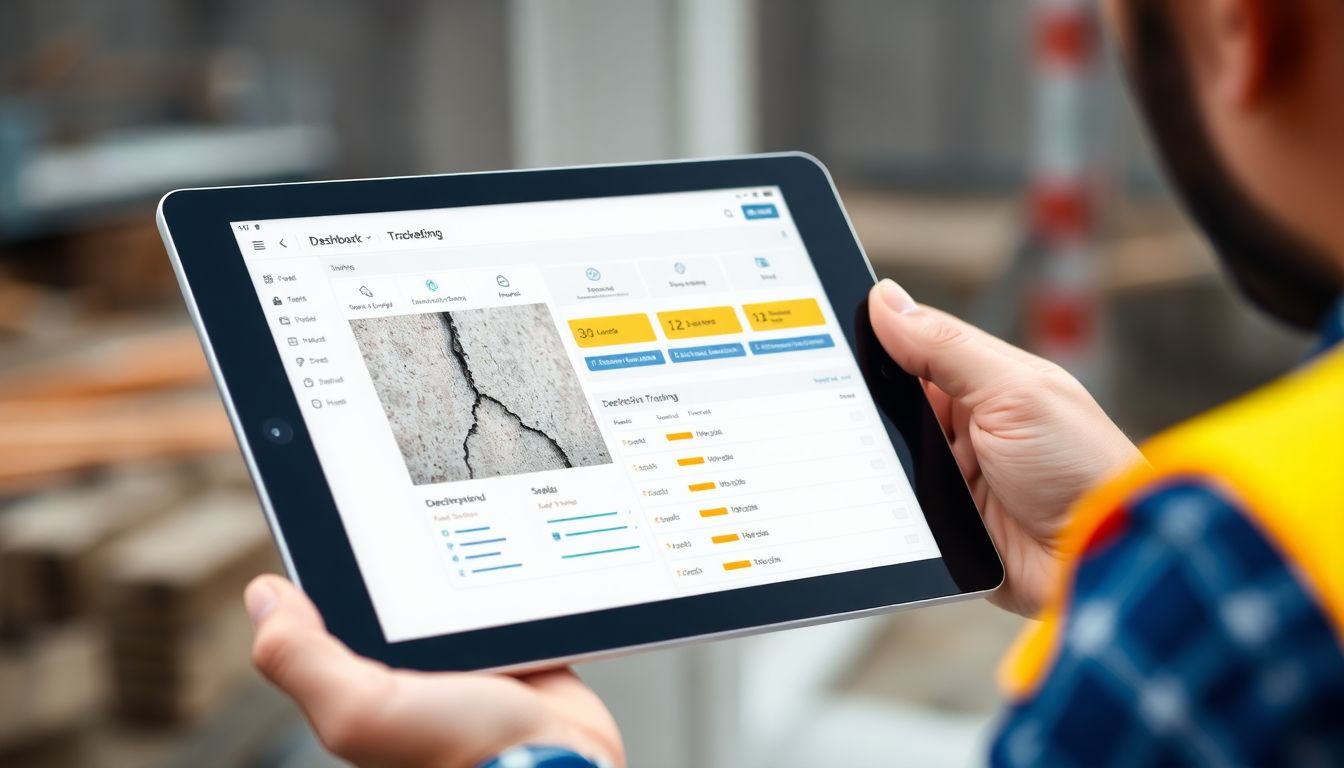
Construction Defect Tracking Software
How defect tracking software keeps issues from slipping through — logging, assigning and closing defects with an audit trail.

Offline Inspection Apps: Why They Matter on Site
Why offline-first inspection apps matter when sites have no signal — and how syncing should work.

How to Go Paperless on a Construction Site
A step-by-step guide to going paperless on site — what to digitize first, how to get crew buy-in and the tools that make it stick.

Construction Inspection Software: Features to Look For
The features that actually matter in construction inspection software — and the ones that just add cost.

Best Construction Checklist Apps
The best construction checklist apps for inspections, safety and handovers — build custom checklists and capture results on site.

Site Audit Software: A Buyer's Guide
How to choose site audit software — the features, integrations and pricing that matter, plus questions to ask before you buy.

Best Snagging Apps for New Builds and Contractors
A snagging app captures defects with photos, assigns fixes and tracks them to completion. What a good one does, and how needs differ by user.

Best Construction Site Inspection Apps
The top site inspection apps for construction teams, compared — features, offline support, photo reporting and how to pick the right one.
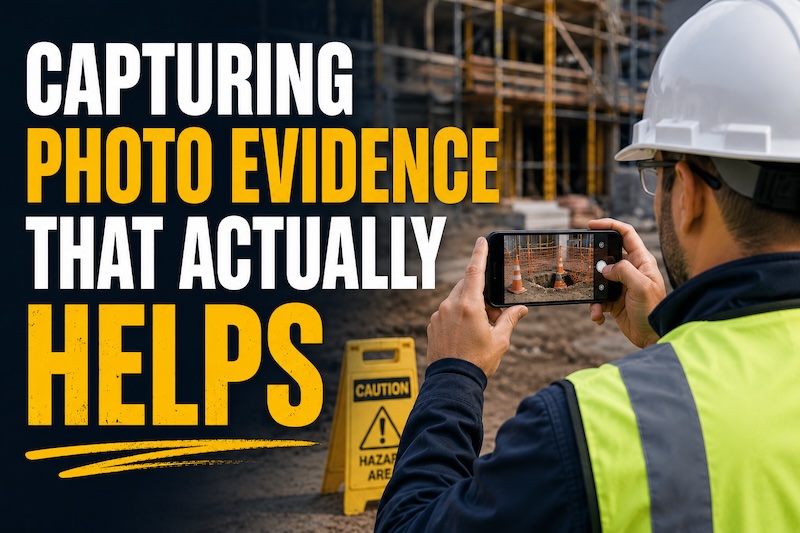
Capturing Photo Evidence That Actually Helps
A good site photo proves the problem, shows its scale, and points to its location. Here's how to capture photo evidence that gets defects fixed right the first time.
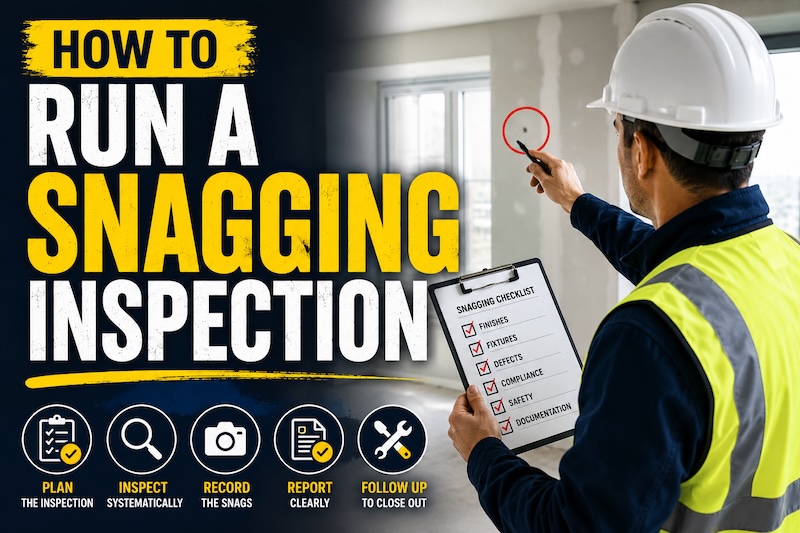
How to Run a Snagging Inspection
Snagging catches defects before handover, while fixes are still cheap. Here's when to snag, how to run the inspection, and the common defects to watch for.
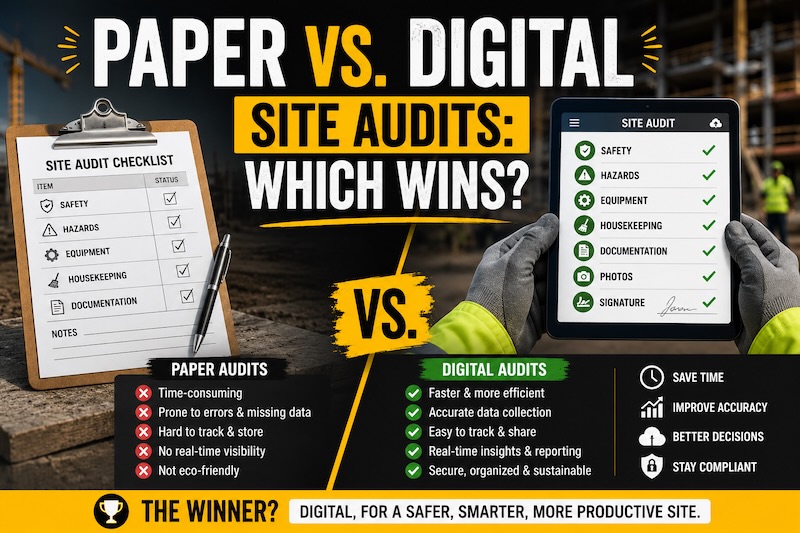
Paper vs. Digital Site Audits: Which Wins?
Clipboard or tablet? We compare paper and digital site audits across speed, photo evidence, record-keeping, and accountability — and where paper still wins.
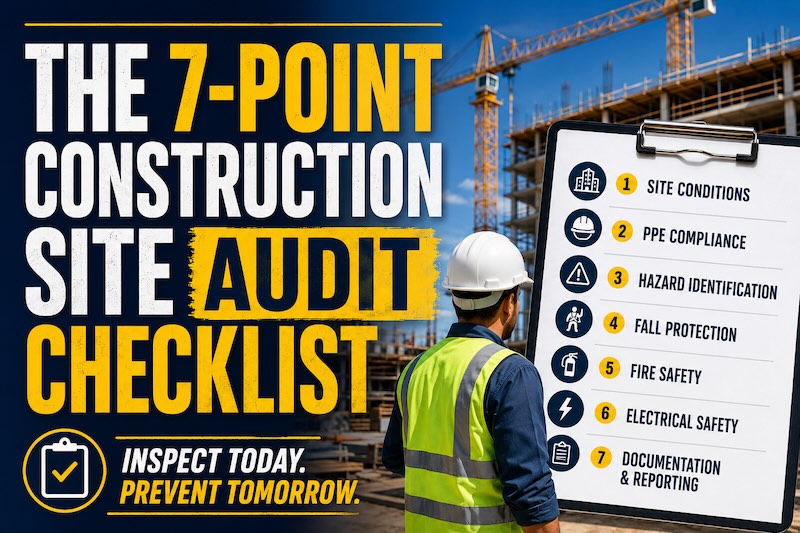
The 7-Point Construction Site Audit Checklist
A good construction site audit catches defects early, keeps crews safe, and creates a paper trail. Here are the seven things every site audit should cover.