Method Statement Template: A How-To Guide
June 21, 2026
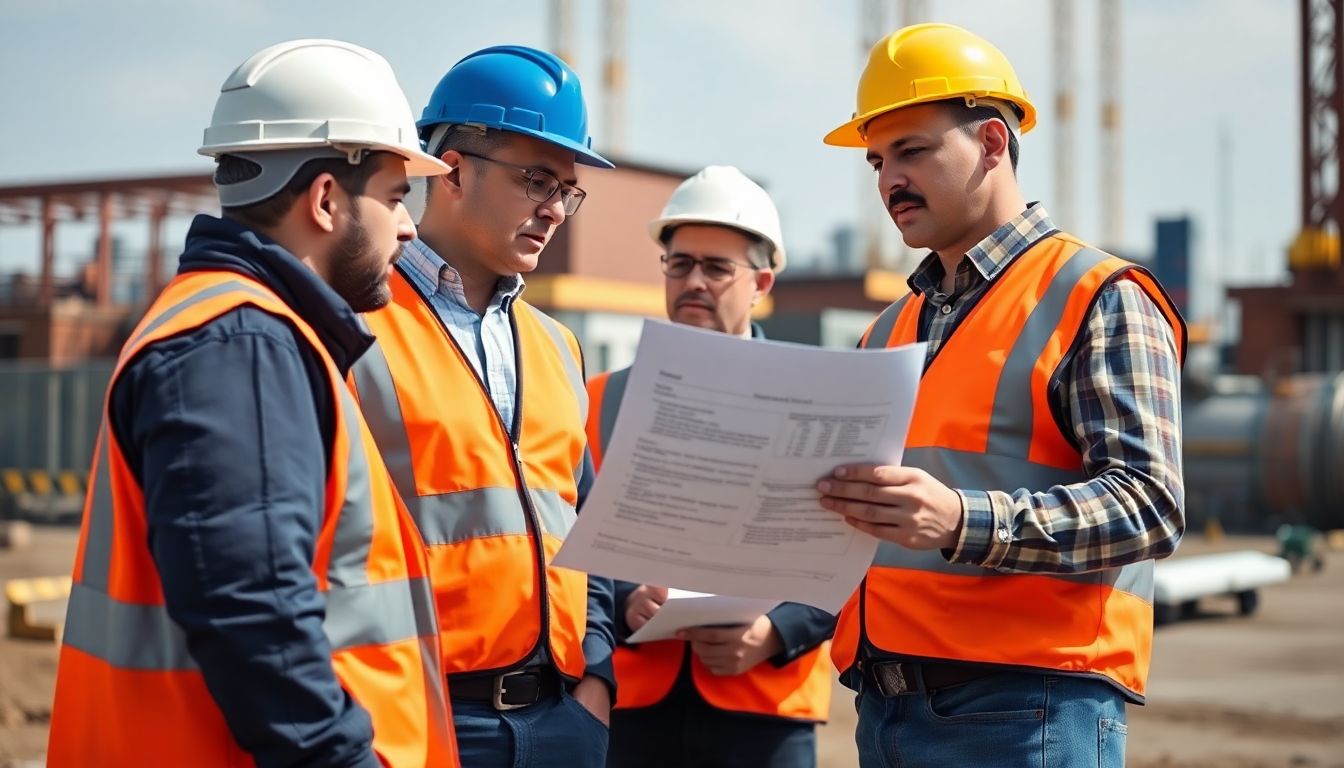
A method statement describes how a specific task will be carried out safely, step by step. Together with the risk assessment it forms the "RAMS" that govern high-risk or significant work on site. A method statement template gives you a consistent structure so nothing important is left out and the document is easy to brief to the crew.
This guide explains what a method statement template should contain and how to write a good one.
What a method statement is
A method statement sets out the safe working method for a task: the sequence of work, the controls in place, the equipment and people involved, and what to do if something goes wrong. It turns the risk assessment's findings into a practical, followable plan. It's most needed for non-routine, complex, or higher-risk work.
What the template should include
A complete method statement template covers:
- Header — project, task, document reference, date, version, author, approver.
- Scope — exactly what work the statement covers.
- Site details and access — location, access arrangements, restrictions.
- Personnel — roles, responsibilities, and required competence.
- Plant, equipment, and materials — what's used and any certification.
- Reference to the risk assessment — linking each control back to the assessed risk.
- Sequence of work — the step-by-step method, in order.
- Control measures — the specific safety controls for each stage.
- PPE requirements — what's needed for the task.
- Emergency arrangements — what to do if something goes wrong, including rescue plans where relevant.
- Environmental controls — where applicable.
- Sign-off and briefing record — approval and confirmation the crew were briefed.
Write the sequence in real, followable steps
The heart of the method statement is the sequence of work. Write it as the actual order the task will be done, in clear steps, with the control for each stage built in. Vague statements like "work safely" are useless; "erect edge protection to the full perimeter before any roof work begins" is a real, checkable instruction.
Tie controls to the risk assessment
A method statement and risk assessment should align: every significant risk identified in the assessment should have a corresponding control in the method statement. The template should make this link explicit, so it's clear the method actually addresses the assessed hazards.
Make it specific to the task and site
The most common failure is a generic, copied method statement that doesn't reflect the actual task or site. A good template prompts for site-specific detail — real access arrangements, the actual sequence, the specific plant — so the document is genuinely useful rather than a paperwork exercise. Generic RAMS that don't match the work are a red flag in any audit.
Brief it and record the briefing
A method statement that sits in a folder protects no one. It must be briefed to everyone carrying out the work, and that briefing recorded (often via a toolbox talk). The template should include a briefing/sign-off section so there's evidence the crew understood the method before starting.
Paper template vs app
A document template works, but managing versions, briefings, and the link to risk assessments across many tasks gets unwieldy on paper. A digital tool keeps the method statement, its risk assessment, and the briefing record together, controls versions, and makes it easy to confirm the current RAMS were briefed before work started.
Key takeaways
A method statement template provides a consistent structure — scope, personnel, plant, a real step-by-step sequence of work with controls at each stage, PPE, and emergency arrangements — tied to the risk assessment. Write the sequence as followable steps, keep it specific to the actual task and site, and always brief it and record the briefing. Generic, unbriefed RAMS help no one.
Get the Site Audit app
Capture issues, generate reports and finish audits faster — right from your phone.


Site Audit is a free construction site audit app for contractors — download the app or see pricing.