PPE Requirements on Construction Sites
June 18, 2026
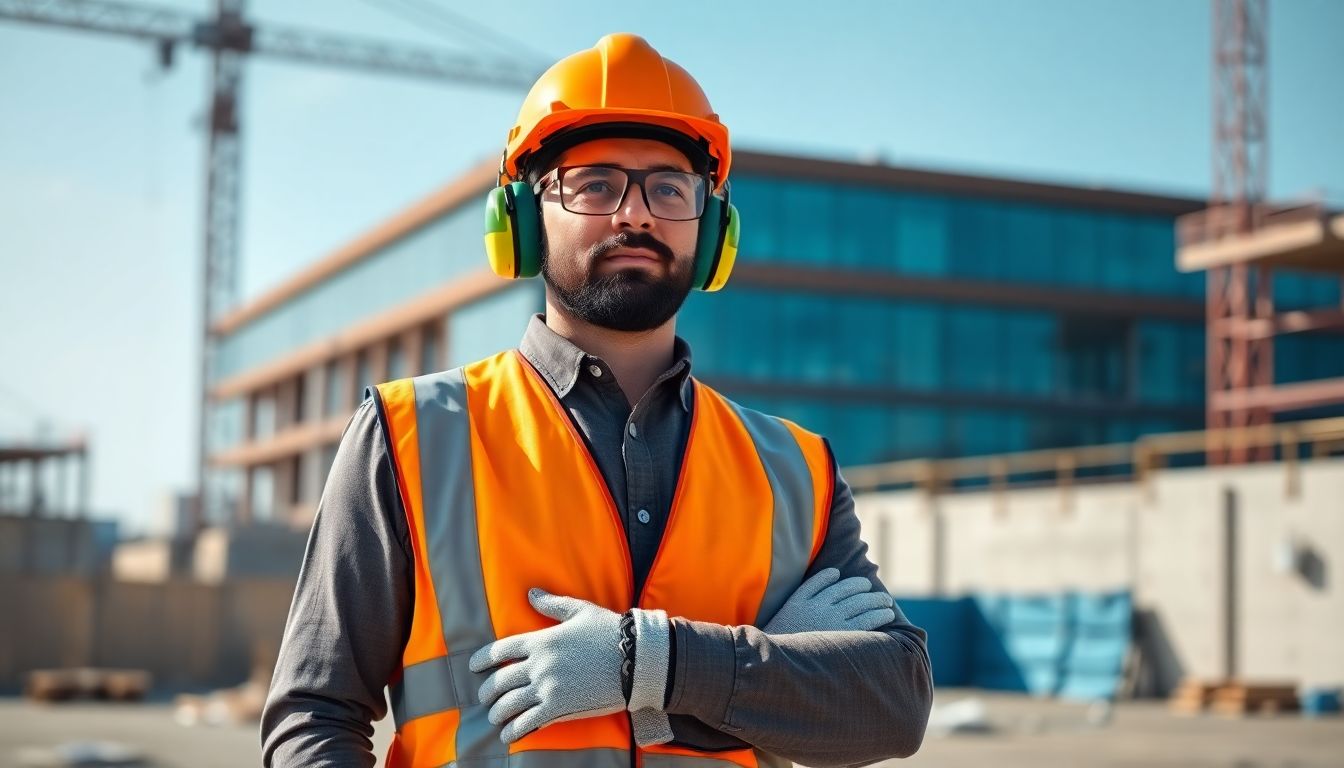
Personal protective equipment is the last line of defence after other controls are in place. Getting it right — and checking it's actually worn — is a daily safety basic.
The core PPE on most sites
- Head — hard hat, replaced after any significant impact
- Feet — safety boots with toe protection and midsole
- Hi-vis — clothing appropriate to the site and lighting
- Hands — gloves matched to the task (cut, chemical, vibration)
- Eyes — safety glasses or goggles for dust, sparks, and splashes
- Hearing — defenders or plugs in high-noise areas
- Respiratory — masks or RPE for dust, silica, and fumes
PPE is the last resort
The hierarchy of control puts PPE at the bottom for a reason — it only protects the wearer, and only if it's worn correctly and fits. Always eliminate or control the hazard at source first; use PPE to manage the residual risk.
Make it work in practice
PPE fails when it's the wrong type, poorly maintained, or simply not worn. Check condition, fit, and suitability — not just presence. Task-specific PPE (like RPE for silica) needs face-fit testing and records.
Track compliance, not just provision
Issuing PPE isn't the same as it being used. Spot-checking PPE compliance during inspections — and logging it with photos — turns "we provide it" into "we can prove it's worn." SiteAudit makes PPE checks a standard part of your safety walk.
Get the Site Audit app
Capture issues, generate reports and finish audits faster — right from your phone.


Site Audit is a free construction site audit app for contractors — download the app or see pricing.