Drones for Site Inspections: What's Realistic
June 18, 2026
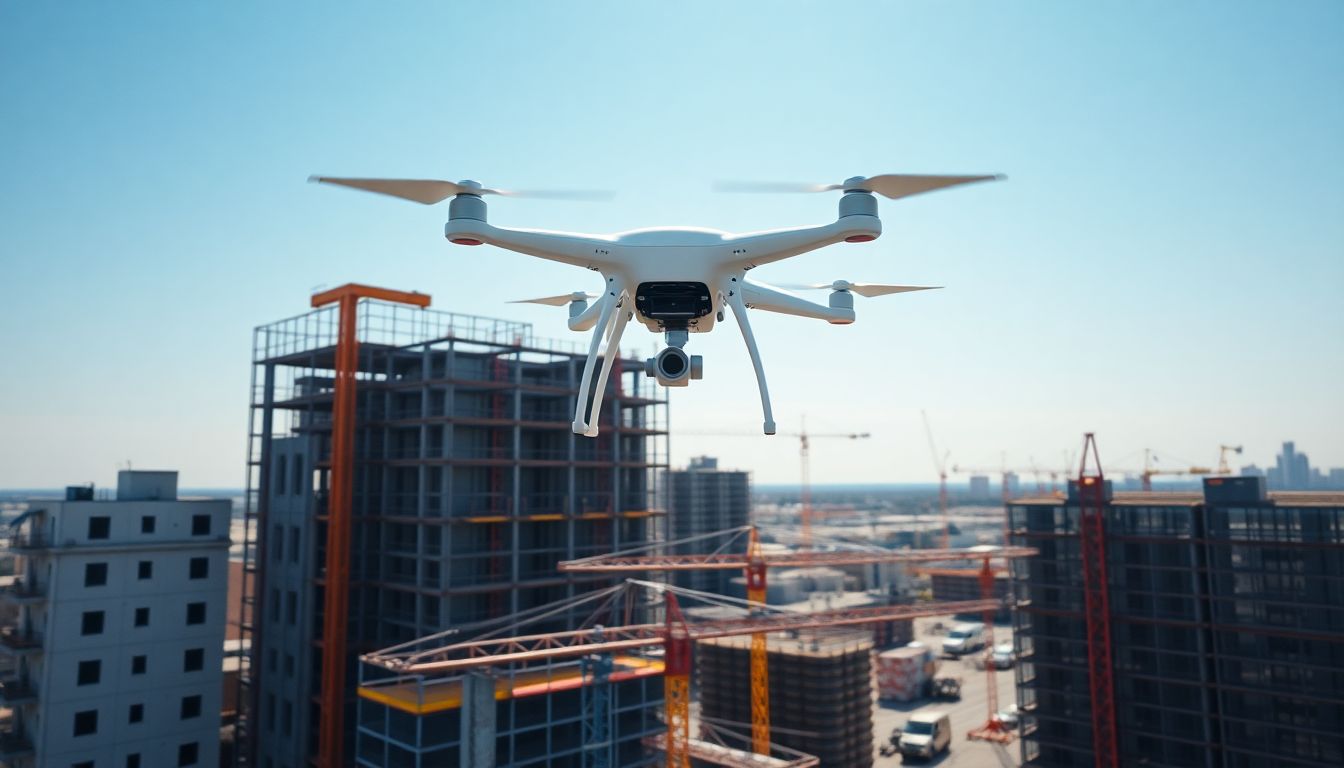
Drones are one of the most hyped tools in construction, and one of the most misunderstood. They're genuinely useful for a specific set of jobs and useless for many others — and the gap between the marketing and the day-to-day reality is wide. This guide cuts through it: where drones actually add value on inspections, where they fall short, the rules you have to follow, and whether they're worth the cost.
Where drones add value
Drones earn their keep when the thing you need to see is hard or dangerous to reach. The strongest uses are:
- Roof and façade inspections — checking high or steep surfaces without scaffolding, a cherry picker, or someone working at height
- Progress monitoring — regular aerial shots that show how a site is advancing, useful for reporting to clients and stakeholders
- Large-site overviews — capturing the whole footprint of a big or spread-out site quickly
- Hard-to-access or hazardous areas — looking at something it would be unsafe to send a person to
In all of these the real win is the same: getting eyes on something without putting a person in a risky or expensive position. That safety case overlaps with what safety inspection apps are for — the drone removes the need to work at height, the app records that the check was done.
Where they fall short
Drones see surfaces, not detail. They won't test a fixing, open a junction box, feel whether a finish is sound, or operate a door or switch. They're a camera in the air, not an inspector. For the close, hands-on, operate-everything work that makes up most snagging and quality inspection, a drone adds nothing — you still need a person on the ground. Treat the drone as one tool for one job, not a replacement for inspection.
For the detailed work, the relevant tooling is quality inspection software or a general site inspection app — something that records item-level findings rather than imagery.
Rules and licensing
This is where many drone plans hit reality. Flying a drone for work is regulated, and the rules vary by country and by the drone's weight and where you're flying. Operators typically need to be registered and competent, follow distance and altitude limits, respect no-fly zones, and carry appropriate insurance — and flying over people or near airports brings extra restrictions. Always check the current requirements with your national aviation authority before you fly; the specifics change and getting them wrong is costly.
Costs vs benefit
Between the kit, the licensing, the insurance and the time to fly and process footage, drones aren't free. For a firm doing regular roof or progress work across many sites, owning the capability or hiring a qualified operator can pay off. For occasional one-off needs, paying a specialist for a single flight is usually smarter than buying in. Be honest about how often you'll actually use it.
The practical takeaway
Use a drone for the jobs it's genuinely good at — height, access, overviews — and keep a person doing the detailed inspection. The footage it captures is most valuable when it's logged as evidence against the right inspection or progress record, not left sitting on an SD card. If you're logging progress regularly, a digital site diary is the natural home for it.
Where SiteAudit fits
Drone footage is useful evidence, but only if it's tied to the right record. With SiteAudit you can attach drone photos and video to the specific inspection or progress item they relate to, so a roof shot or a progress overview becomes part of the searchable site record rather than a file that gets lost.
Related articles
Get the Site Audit app
Capture issues, generate reports and finish audits faster — right from your phone.


Site Audit is a free construction site audit app for contractors — download the app or see pricing.