Legionella Risk Assessment Explained
June 21, 2026
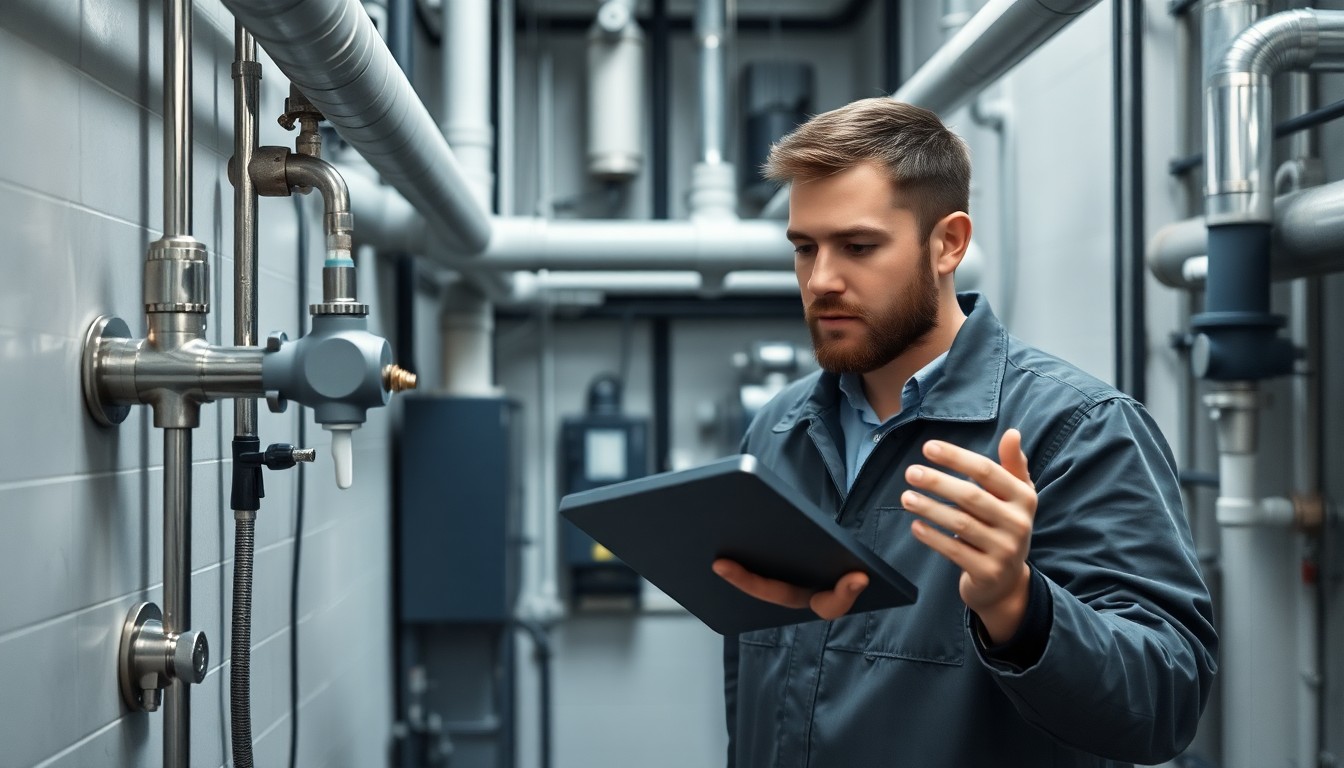
A legionella risk assessment identifies the risk of Legionella bacteria growing in a building's water systems and causing Legionnaires' disease — a potentially fatal form of pneumonia — and sets out the controls needed to manage that risk. In many jurisdictions, those in control of premises have a legal duty to assess and manage legionella risk, making the assessment a core building compliance activity.
This article explains what a legionella risk assessment is. Water hygiene is a health-critical, regulated area; assessments and control should be carried out by competent people following the applicable regulations and guidance.
Why legionella is a risk
Legionella bacteria occur naturally in water and can multiply in building water systems under the right conditions — particularly stagnant water at warm temperatures. People become infected by breathing in small droplets (aerosols) of contaminated water, from sources like showers, taps, cooling towers, and spa pools. The disease can be severe, so managing the conditions that let the bacteria grow is essential.
What creates the risk
A legionella risk assessment looks for the conditions that allow Legionella to grow and spread:
- Water temperatures in the range that encourages growth (roughly between cold and hot extremes — the assessment checks systems aren't sitting in the danger zone).
- Stagnation — little-used outlets, dead legs in pipework, infrequently used areas.
- Aerosol creation — showers, spray taps, cooling towers.
- Nutrients and conditions — scale, sediment, biofilm, and materials that support growth.
- Vulnerable people — occupants more susceptible to infection.
What the assessment covers
The assessment reviews the water systems and identifies the risks and controls, typically including:
- A description of the water system (a schematic is often produced).
- Identification of risk factors (temperatures, stagnation, dead legs, aerosols).
- Assessment of who could be exposed and harmed.
- The control measures needed.
- A written scheme of control and monitoring.
- Records and review arrangements.
Control measures
Typical controls that flow from the assessment include maintaining water at safe temperatures (hot water hot, cold water cold), avoiding stagnation (removing dead legs, flushing little-used outlets), keeping systems clean, controlling conditions that favour growth, and monitoring through regular temperature checks and inspections. The specific scheme depends on the system and the assessment.
Monitoring and review
A legionella risk assessment isn't a one-off. It must be reviewed regularly and whenever the system or its use changes, and it drives an ongoing monitoring regime — temperature checks, flushing of infrequently used outlets, tank inspections, and record-keeping. The controls only work if they're actually carried out and recorded on schedule.
Records matter
As with other compliance areas, demonstrating control depends on records: temperature logs, flushing records, inspections, and remedial actions. These show the control scheme is being followed and provide the evidence of compliance.
Capturing it digitally
Legionella control generates a steady stream of recurring monitoring tasks and readings across many outlets and systems. A digital tool helps schedule the monitoring, capture temperature readings and flushing records on site, flag out-of-range results for action, and maintain the documented log — making the control scheme practical to run and demonstrable.
Key takeaways
A legionella risk assessment identifies the risk of Legionella bacteria in water systems and the controls needed to manage it — addressing temperature, stagnation, aerosols, and vulnerable people. It drives a written control scheme and an ongoing monitoring regime of temperature checks, flushing, and inspections, all recorded. It must be reviewed when things change, and it should be carried out by competent people.
Legionella is a serious health risk. This is general information only; legionella risk assessment and control must be carried out by competent people under the regulations and guidance that apply.
Get the Site Audit app
Capture issues, generate reports and finish audits faster — right from your phone.


Site Audit is a free construction site audit app for contractors — download the app or see pricing.