Building Envelope Inspection Checklist
June 21, 2026
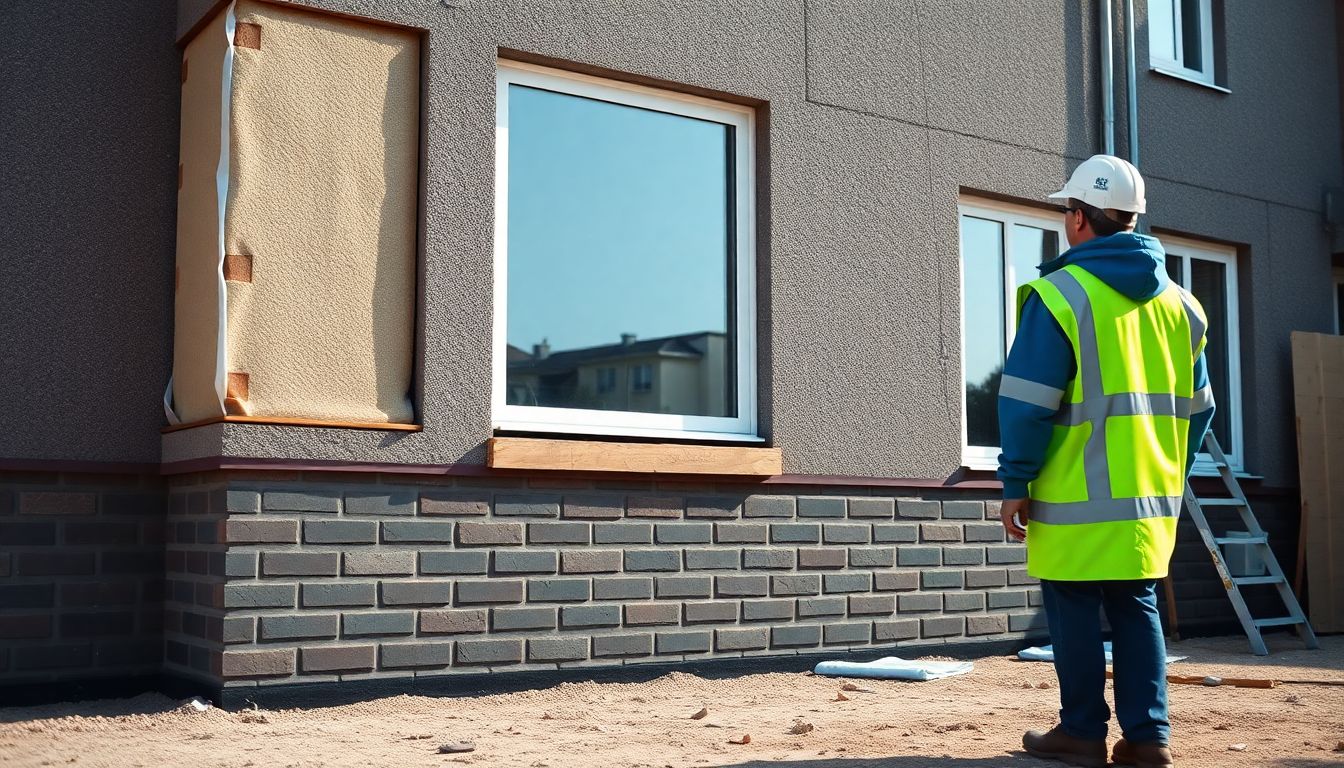
The building envelope — the external walls, roof, windows, doors, and all the junctions between them — is what keeps weather out and controls heat and air movement. Envelope defects are notorious for causing the most persistent and expensive problems: water ingress, damp, mould, condensation, and energy loss. Many only reveal themselves long after handover, which is exactly why thorough inspection during construction matters so much.
This checklist covers the key building envelope inspection points. Work to the specification, design details, and manufacturer's instructions, which govern the detail.
External walls
- Correct construction build-up per the design.
- Masonry: coursing, bonding, mortar joints, and pointing.
- Cladding/rainscreen fixed per design, with correct support and movement allowance.
- Render applied per specification, no cracking or hollow areas.
- Movement joints provided where designed.
Cavity and insulation
- Insulation correct type and thickness, continuous with no gaps (thermal bridging).
- Cavity clear of mortar droppings/debris where required.
- Wall ties correct type, spacing, and embedment.
- Cavity trays and weep holes correctly positioned.
Cavity barriers and fire stopping
- Cavity barriers installed at the required locations (around openings, at compartment lines).
- Fire stopping continuous and correctly installed at penetrations and junctions.
- Correct products used per the fire strategy.
Windows and doors
- Correctly positioned, fixed, plumb, and level.
- Perimeter sealed and weatherproofed.
- Cavity closers and damp-proofing correct at reveals.
- Sills and thresholds correctly detailed to shed water.
- Operating, locking, and glazing correct.
Air and weather tightness
- Air barrier/membrane continuous and correctly lapped and sealed.
- Penetrations through the air barrier sealed.
- Junctions (wall-to-roof, wall-to-floor, around openings) detailed for continuity.
- Weather tightness of all junctions and penetrations.
Damp-proofing
- Damp-proof course (DPC) continuous and at correct level.
- DPC linked correctly with the damp-proof membrane.
- No bridging of the DPC.
Roof-to-wall junctions
- Flashings, abutments, and parapet details correct and weathertight.
- Continuity of insulation and air barrier at the roof junction.
Why junctions and continuity matter most
Most envelope failures don't happen in the middle of a wall — they happen at the junctions and penetrations, where the insulation, air barrier, or weatherproofing has to be continuous across a change in construction. These are also where the work is most likely to be concealed by later trades. Inspect junctions and continuity closely, and do it before they're covered.
Photograph concealed envelope work
Insulation continuity, cavity barriers, membrane laps, and DPC detailing all disappear behind the finished surface. Photographs at the right stage are the only lasting evidence that the envelope was built correctly — and given how often envelope defects surface years later, that evidence is genuinely valuable.
Capturing it digitally
A site inspection app lets you run the envelope checklist on site, photograph each concealed detail and junction before it's covered, and hold the record against the project. When a damp problem emerges later, you have the evidence of how the envelope was actually built.
Key takeaways
A building envelope inspection covers external walls, cavity and insulation, cavity barriers and fire stopping, windows and doors, air and weather tightness, damp-proofing, and roof junctions. Failures concentrate at junctions and penetrations where continuity matters most — inspect these closely and photograph all concealed detailing before it's covered. The envelope's defects are the ones that haunt a project longest.
Get the Site Audit app
Capture issues, generate reports and finish audits faster — right from your phone.


Site Audit is a free construction site audit app for contractors — download the app or see pricing.