PAT Testing Explained: A Practical Guide
June 22, 2026
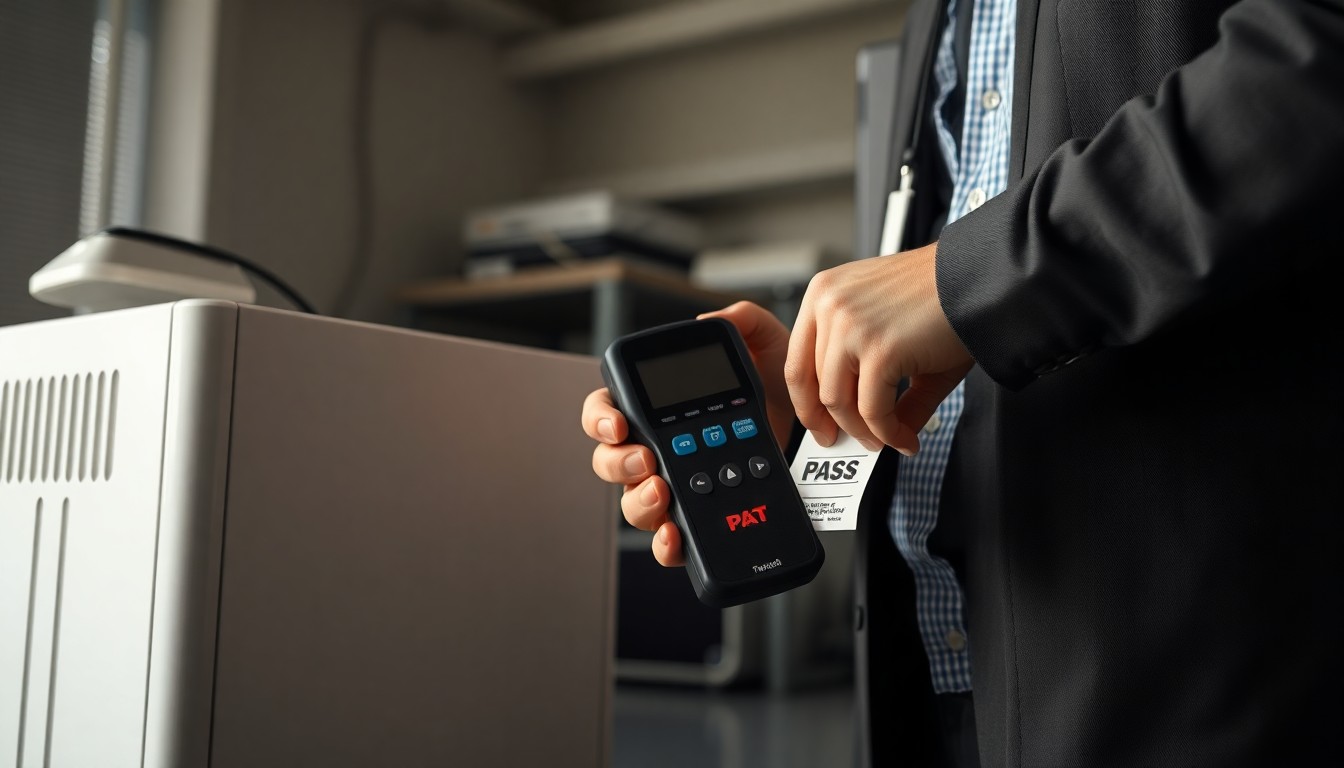
PAT testing — Portable Appliance Testing — is the inspection and testing of electrical appliances and equipment to confirm they're safe to use. It combines a visual inspection with electrical tests using a PAT tester, and it's a familiar part of electrical safety management in workplaces and many other premises. While the term is everyday, there's a lot of misunderstanding about what's actually required.
This article explains what PAT testing is and how it fits into electrical safety. Electrical testing should be carried out by a competent person; this is general information.
What PAT testing is
PAT testing checks that portable and movable electrical equipment is safe. It has two parts:
- Visual inspection — checking the appliance, plug, cable, and casing for damage, wear, or signs of overheating. A large proportion of faults are found here, by eye, without any instrument.
- Electrical testing — using a PAT tester to carry out tests such as earth continuity and insulation resistance, confirming the appliance is electrically safe.
Items that pass are typically labelled with a pass label and date; items that fail are removed from use.
What "portable appliance" covers
The term covers a wide range of equipment that connects via a plug — from kettles and computers to power tools and extension leads. Different classes of equipment (e.g. earthed Class I vs double-insulated Class II) require different tests, which is part of why competence matters.
The common myth about frequency
A widespread misconception is that PAT testing is legally required "every year" for everything. In reality (in jurisdictions like the UK), the law requires electrical equipment to be maintained in a safe condition — it doesn't prescribe a fixed universal interval or even mandate PAT testing specifically as the only method. The appropriate frequency should be based on risk: the type of equipment, how it's used, and the environment. A power tool on a construction site needs far more frequent checks than a desktop computer in an office.
Risk-based frequency
Because frequency is risk-based, a sensible regime sets intervals according to equipment type and environment, and combines:
- User checks — users looking for obvious damage before use.
- Formal visual inspections — at intervals.
- Combined inspection and testing (PAT) — at intervals appropriate to the risk.
Higher-risk equipment and harsher environments get more frequent and more thorough checks.
Records and labelling
PAT testing produces records: each item identified, its test result, the date, and the next due date, usually reflected on the appliance label. These records demonstrate that equipment is being maintained safely and let you manage the re-test schedule. A register of equipment with test history is the practical backbone of the regime.
Capturing it digitally
PAT testing across an organisation means many items, each with a result and a re-test date. A digital tool helps maintain the equipment register, record test results on site, flag items due for re-test, and keep the auditable history — far easier than spreadsheets and paper labels alone, especially across multiple sites.
Key takeaways
PAT testing is the visual inspection and electrical testing of portable appliances to confirm they're safe to use. It's not legally mandated at a fixed universal interval — the requirement is to keep equipment safe, with frequency set by risk (equipment type, use, environment). Combine user checks, visual inspections, and combined testing, keep records and labels, and manage the re-test schedule.
Electrical safety is important; inspection and testing should be carried out by a competent person, and you should follow the regulations and guidance applicable to your premises.
Get the Site Audit app
Capture issues, generate reports and finish audits faster — right from your phone.


Site Audit is a free construction site audit app for contractors — download the app or see pricing.