Cavity Barrier Inspection Checklist
June 21, 2026
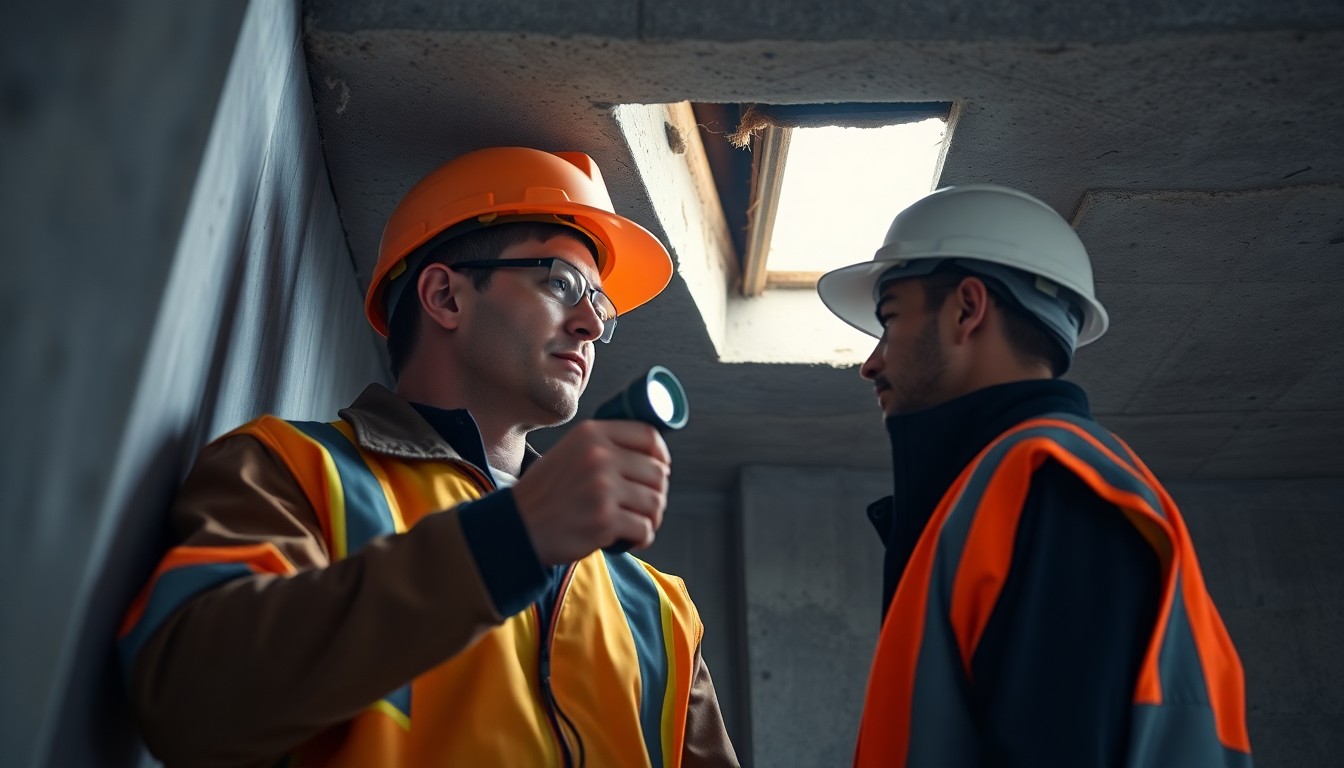
Cavity barriers close off the concealed voids in a building's construction — in walls, floors, ceilings, and roofs — so that fire and smoke can't spread unseen through the cavities, bypassing the visible compartmentation. They're a critical and often-overlooked part of passive fire protection precisely because they live in spaces no one normally sees. A cavity barrier inspection checklist gives you a consistent way to verify they're present, correct, and intact.
This checklist supports inspection by a competent person and should be used alongside the building's fire strategy and the relevant standards.
Why cavity barriers matter
Modern construction is full of voids: cavities in external walls, the spaces above suspended ceilings, roof voids, and gaps within floor and wall build-ups. Without cavity barriers, a fire entering one of these voids can travel through the building behind the finishes, emerging far from where it started and bypassing the fire doors and walls meant to contain it. Cavity barriers subdivide and close these voids so fire can't spread through them.
Identification (header)
- Location and reference of the cavity/void.
- Type of cavity barrier expected per the design.
- Date, inspector, result.
- Photo of the barrier and its location.
Presence and position
- Cavity barriers present where required by the design/fire strategy.
- Located correctly — at compartment lines, around openings (windows, doors), at junctions, and to subdivide large cavities.
- Provided around penetrations and at the perimeter of openings in external wall cavities.
Correct type and installation
- Correct product/system for the cavity and fire rating required.
- Installed per the manufacturer's instructions and tested system.
- Correct orientation and fixing.
- Fully filling the cavity with no gaps.
Continuity
- Continuous along the line, with no missing sections.
- Properly closed at ends and junctions.
- No gaps where the barrier meets the surrounding construction.
Condition and breaches
- Undamaged and not displaced.
- Not compromised by later works (services run through without reinstatement).
- No deterioration or sagging.
- No cavity barriers removed during refurbishment and not replaced.
Common defects to watch for
Cavity barrier inspections commonly find barriers that are missing entirely (omitted during construction or removed in a refurbishment), incorrectly installed, not continuous, or breached by later cabling and pipework. Because they're concealed, these defects can persist for years undetected — which is exactly why accessing and inspecting the voids matters.
Recording and acting on findings
For each finding: record the location, the defect, severity, and a photo. Then assign remediation to a competent installer, and re-inspect to verify. As with all passive fire protection, the documented, photographed record is increasingly part of the building's required safety information — especially for higher-risk buildings.
Access is the challenge
The practical difficulty with cavity barriers is access — they're in voids and cavities that require opening up or accessing concealed spaces. This is why they're so often neglected, and why a planned inspection that includes the concealed spaces (rather than just the visible rooms) is essential to a meaningful result.
Capturing it digitally
Cavity barrier inspection produces location-specific, photo-heavy evidence across hard-to-reach voids. A digital inspection app lets you log each barrier against its location with a photo and status, record defects and breaches, track remediation to closure, and build the auditable record that building safety regimes increasingly expect.
Key takeaways
Cavity barriers close concealed voids so fire can't spread unseen and bypass compartmentation. Inspect for their presence and correct position, the right tested system correctly installed, continuity, and condition — watching for missing barriers and breaches from later works. Access to the voids is the key challenge. Record each finding with photos, remediate via a competent installer, and verify the fix.
Get the Site Audit app
Capture issues, generate reports and finish audits faster — right from your phone.


Site Audit is a free construction site audit app for contractors — download the app or see pricing.