Manual Handling on Site: Risks & Controls
June 18, 2026
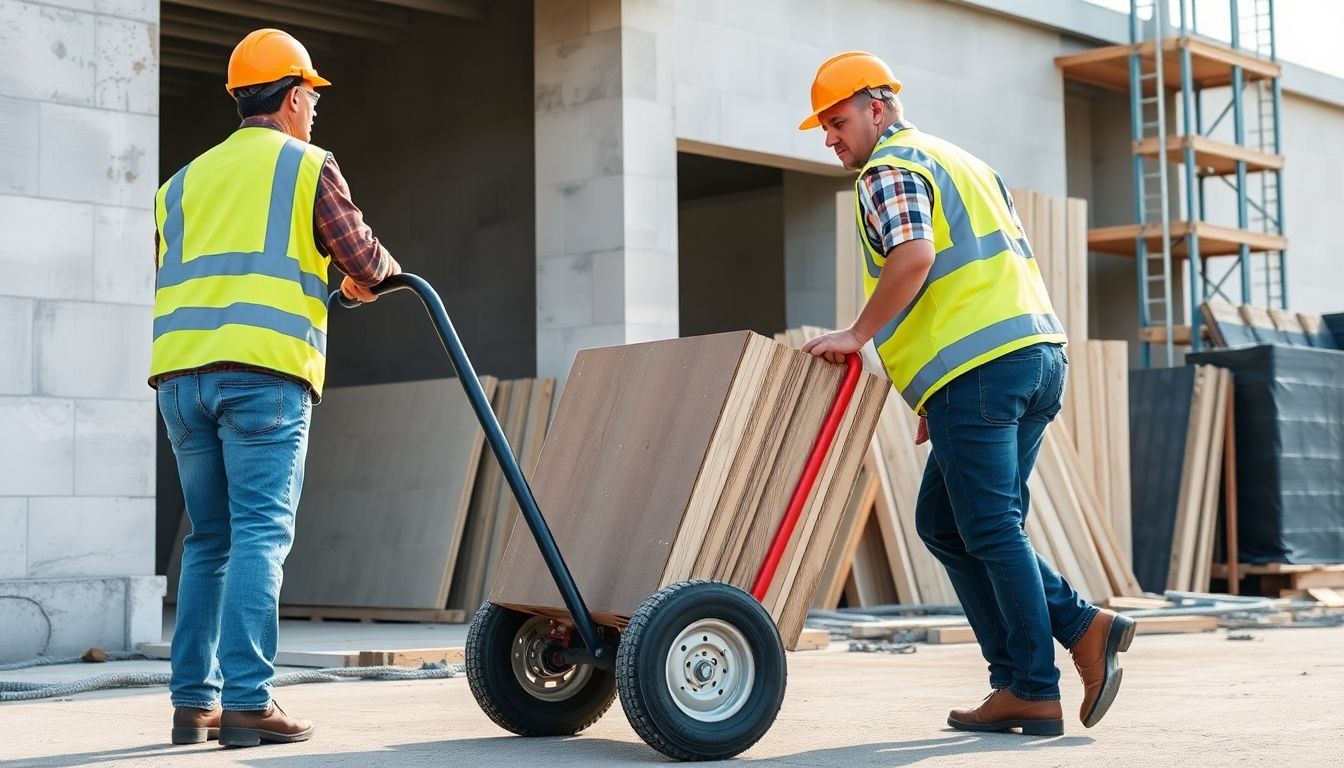
Manual handling injuries — strains, sprains, and back problems — are some of the most common in construction. They're rarely dramatic, but they cause huge amounts of lost time and lasting harm.
The risk factors
Think TILE:
- Task — repetitive lifting, twisting, carrying long distances
- Individual — capability, training, health
- Load — weight, size, awkward or unstable shapes
- Environment — uneven ground, restricted space, poor lighting
Control the risk
- Avoid the manual handling where you can — can it be delivered closer, or moved mechanically?
- Assess the handling that remains using TILE.
- Reduce the risk — mechanical aids, team lifts, better routes, smaller loads.
Mechanical aids like trolleys, hoists, and telehandlers remove the risk entirely for many tasks.
Technique helps, but isn't the answer
Good lifting technique reduces risk, but you can't train your way out of a load that's simply too heavy or a route that's too awkward. Fix the task first, then the technique.
Spot it during inspections
Manual handling risks build up quietly — a delivery dropped in the wrong place, a route that gets blocked. Flagging them during routine site checks catches them early. SiteAudit lets you record manual handling hazards and the controls put in place, with photos.
Get the Site Audit app
Capture issues, generate reports and finish audits faster — right from your phone.


Site Audit is a free construction site audit app for contractors — download the app or see pricing.