Emergency Lighting Testing Explained
June 22, 2026
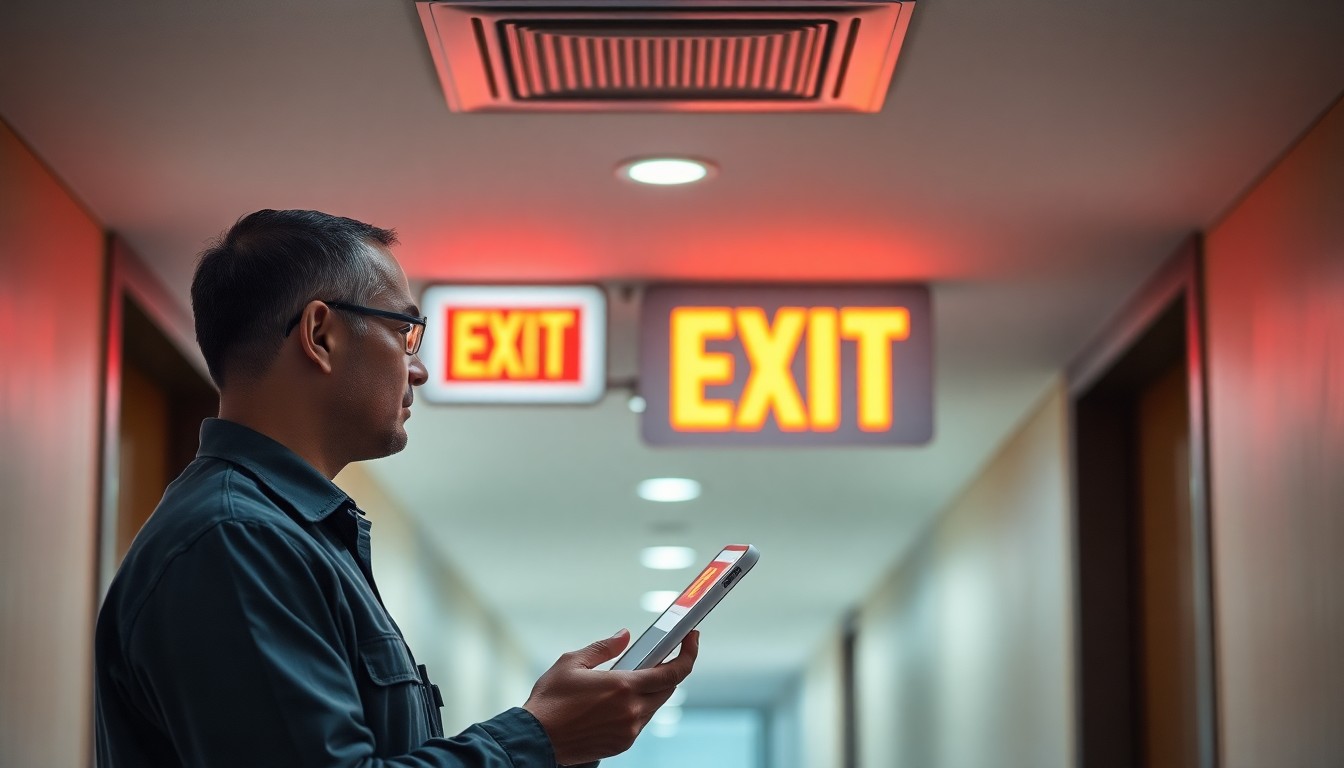
Emergency lighting is the lighting that activates automatically when the normal power supply fails, illuminating escape routes and key areas so people can evacuate safely in the dark. Because it only matters in an emergency — and sits idle the rest of the time — it must be tested regularly to confirm it will actually work when needed. Emergency lighting testing is a standard and often legally required part of building safety.
This article explains emergency lighting testing. Requirements and standards vary by jurisdiction; always follow the applicable regulations and standards, and use competent people.
Why emergency lighting is tested
Emergency lighting relies on batteries (or a central battery/generator system) that must take over instantly when mains power is lost. Batteries degrade, fittings fail, and faults develop — silently, because the lights aren't in everyday use. The only way to know the system will perform in a real emergency is to test it: confirming each luminaire illuminates on power failure and stays lit for its required duration.
The main tests
Emergency lighting testing typically involves regular checks of increasing depth:
- Monthly (short) test — a brief functional test: simulating a mains failure so each emergency luminaire and exit sign illuminates, confirming it operates. Kept short to avoid draining batteries.
- Annual (full duration) test — testing the system for its full rated duration (commonly the full rated period, often three hours) to confirm the batteries sustain the lighting for the required time, then confirming they recharge correctly.
Some systems use automatic self-testing, which carries out and logs these tests automatically, but the results still need monitoring and recording.
What's checked
During testing, the checks include:
- Each luminaire and illuminated exit sign operates on mains failure.
- Lights remain illuminated for the required duration (annual test).
- Coverage of escape routes, exits, and key points.
- No damaged, missing, or faulty fittings.
- Batteries recharge correctly after the test.
- Exit signage correct and visible.
Don't leave it tested-and-flat
A practical point with the full-duration test: afterward the batteries are discharged, so the building is temporarily without emergency lighting cover until they recharge. Testing should be timed and managed so the building isn't left unprotected — for example, testing at a time of low occupancy and confirming recharge.
Records are required
Emergency lighting testing must be recorded — typically in a logbook (or its digital equivalent) noting the tests carried out, the results, any faults found, and remedial action. These records demonstrate the system is being maintained and are part of the building's fire safety information. Faults found must be repaired and re-tested.
Acting on faults
A test only adds value if faults are fixed. A luminaire that fails to illuminate, or doesn't sustain its duration, is a defect that must be repaired and re-tested — otherwise that part of the escape route is unprotected in an emergency. Tracking faults to closure is essential.
Capturing it digitally
Emergency lighting testing is a recurring, location-specific, record-heavy task across many fittings. A digital tool schedules the monthly and annual tests, lets you record results against each luminaire on site, flags failures for repair, and maintains the logbook — making the regime easier to run and the records easy to demonstrate.
Key takeaways
Emergency lighting illuminates escape routes when mains power fails, and must be tested regularly because it sits idle until needed — typically a brief monthly functional test and an annual full-duration test confirming the batteries last the required time. Manage the full-duration test so the building isn't left unprotected, record all tests, and fix and re-test any faults.
Requirements and standards vary by jurisdiction. This is general information; follow the applicable standards and use competent people.
Get the Site Audit app
Capture issues, generate reports and finish audits faster — right from your phone.


Site Audit is a free construction site audit app for contractors — download the app or see pricing.