Common Snagging Defects in New Builds
June 21, 2026
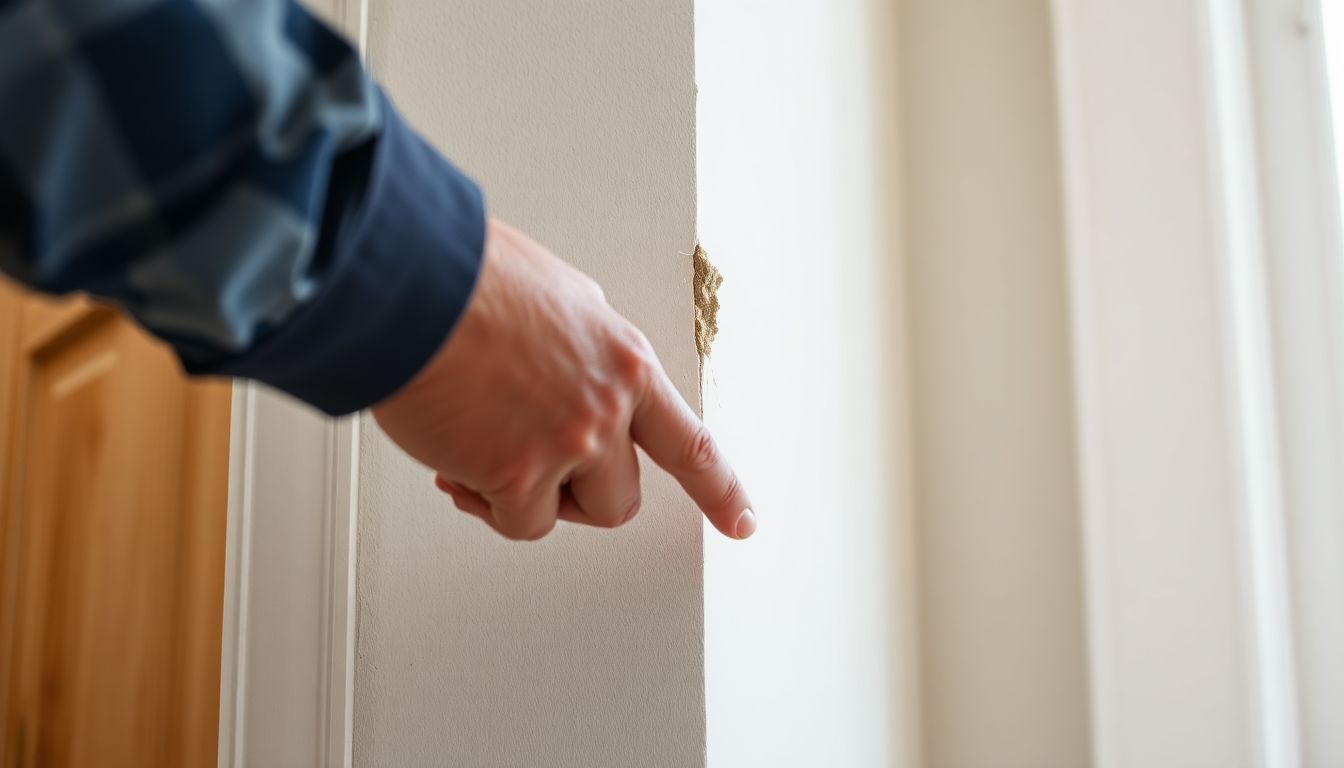
New-build homes look finished long before they're actually defect-free. Even on well-run projects, a professional snagging inspection routinely turns up dozens of items — and on a rushed one, hundreds. Knowing the defects that crop up most often helps you inspect efficiently and fix the right things before handover.
Here are the snagging defects that appear again and again in new builds, grouped by area.
Paint and decoration
The single biggest category by volume. Watch for paint runs and drips, patchy coverage where a second coat was skipped, overspray on fittings and glass, brush marks, and "cutting in" lines that wander. Caulk and sealant lines are close behind — gaps, cracking, and messy application around skirtings, architraves, and sanitaryware.
Doors and windows
Doors that bind on the frame, don't latch, or swing open on their own because they're out of plumb. Misaligned hinges, scratched or chipped frames, and handles fitted at inconsistent heights. On windows: trickle vents not opening, scratched glass, failed or smeared sealed units, and stiff or faulty locking mechanisms.
Floors
Tiles laid out of line or with uneven grout, lippage between tiles, hollow-sounding tiles indicating poor adhesion, and cracked or chipped units. With timber and laminate: visible gaps, squeaks, and poorly finished thresholds. Carpets with loose edges or visible seams.
Kitchens and bathrooms
Cabinet doors and drawers that aren't aligned, soft-close mechanisms not working, worktop joints that don't sit flush, and silicone sealant applied untidily. In bathrooms: poorly set-out tiling, basins and baths not sealed properly, slow drainage, and extractor fans that aren't connected or vented.
Plasterwork and walls
Cracks (often shrinkage cracks as the building dries), uneven surfaces visible in raking light, nail pops, and damaged corners. Some hairline cracking is normal as a new build settles, but anything structural or recurring needs investigating, not just filling.
Mechanical and electrical
Sockets and switches fitted crooked or at inconsistent heights, mismatched faceplates, missing blanking plates, lights that flicker, and radiators that don't heat evenly or leak at valves. Always check that every socket and switch actually works, not just that it's installed.
External works
Often overlooked because buyers focus indoors. Look for poor pointing, mortar splashes on brickwork, damaged or missing roof tiles, blocked or poorly fitted gutters, uneven paving, and gaps in fencing. Drainage and ground falls that direct water toward the building are serious and easy to miss.
Why the same defects recur
Most new-build snags come from time pressure and trades working over each other — a finished surface gets damaged by the next trade in. That's why sequencing and protection matter as much as the original workmanship, and why catching damage early (before more is built on top) saves money.
Inspecting efficiently
Because the defects are so predictable, a structured room-by-room checklist that prompts for each common item is far more thorough than relying on a fresh pair of eyes. Capturing each with a photo and a precise location turns a long list into something the trades can clear quickly.
Key takeaways
The most common new-build snags are paint and sealant defects, binding doors and windows, tiling and flooring faults, kitchen and bathroom alignment issues, plaster cracks, M&E niggles, and neglected external works. They recur for predictable reasons, so inspect with a structured checklist, photograph everything, and catch damage early before it's built over.
Get the Site Audit app
Capture issues, generate reports and finish audits faster — right from your phone.


Site Audit is a free construction site audit app for contractors — download the app or see pricing.