Water Hygiene and Tank Inspections Explained
June 22, 2026
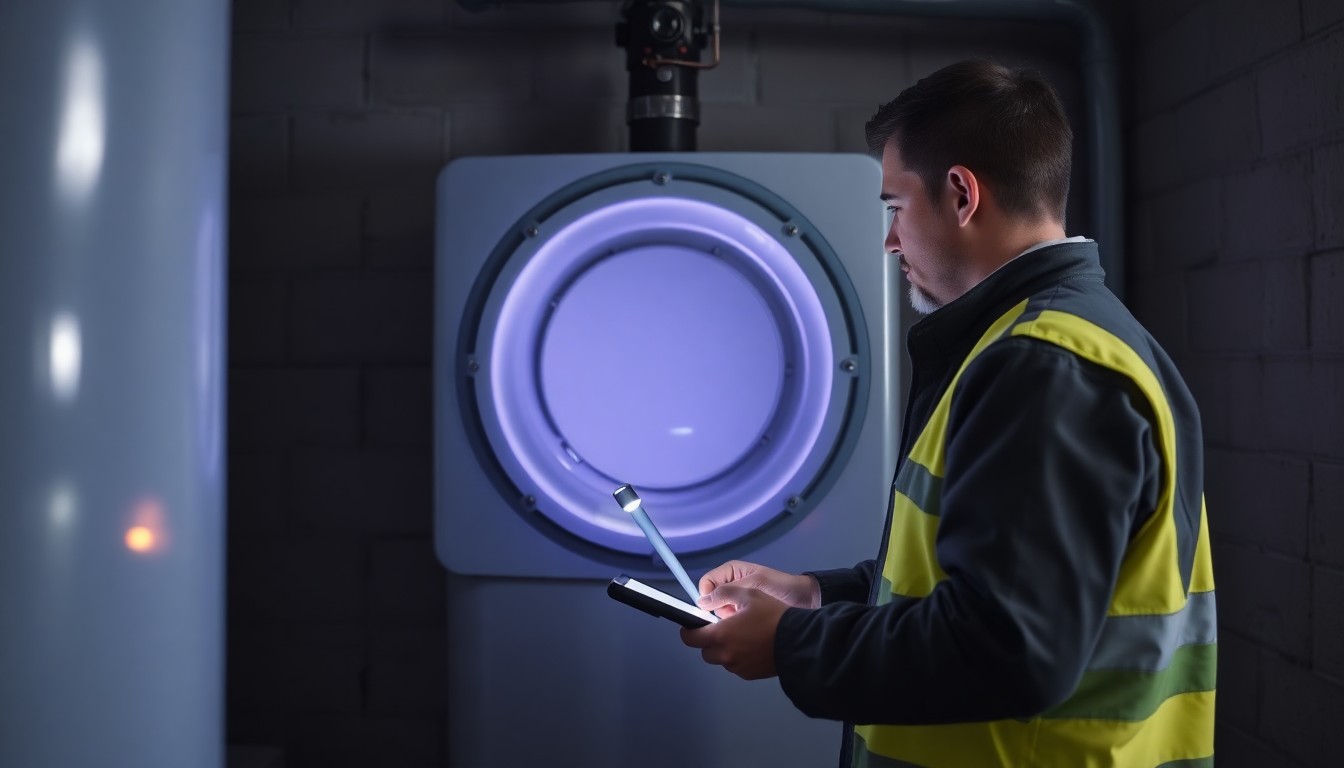
Water hygiene is the management of a building's water systems to keep the water safe and prevent the growth of harmful bacteria such as Legionella. Tank inspections — checking cold water storage tanks and similar vessels — are a core part of that, because tanks are a common point where water can stagnate, warm up, or become contaminated. Together they form a key strand of building compliance.
This article covers water hygiene and tank inspections. Water hygiene is a health-critical, regulated area; it should be managed by competent people following the applicable regulations and guidance.
What water hygiene covers
Water hygiene encompasses everything done to keep a building's water systems safe: maintaining safe temperatures, preventing stagnation, keeping systems clean, monitoring, and inspecting. Its primary aim is to control the risk of Legionella (the cause of Legionnaires' disease), but good water hygiene also protects general water quality. It's driven by the legionella risk assessment and the resulting written control scheme.
Why tanks matter
Cold water storage tanks are a frequent water hygiene weak point. If a tank is poorly maintained, water can warm up, sit stagnant, or become contaminated by debris, insects, or ingress — creating ideal conditions for bacterial growth that then spreads through the system. Regular tank inspection is how these problems are caught and prevented.
What a tank inspection covers
A cold water storage tank inspection typically checks:
- Lid and cover — close-fitting, secure, and intact to keep out light, debris, insects, and vermin.
- Screened vents and overflows — fitted with insect screens and in good condition.
- Cleanliness — no debris, sediment, scale, or biofilm; water clear.
- No contamination or ingress — no signs of vermin, insects, or foreign material.
- Condition — tank, fittings, and connections sound, no corrosion or damage.
- Water temperature — cold water staying suitably cold.
- Insulation — adequate and intact to keep cold water cold.
- Stagnation — water turning over, not sitting unused.
Findings determine whether the tank needs cleaning, disinfection, or repair.
Wider water hygiene tasks
Beyond tanks, water hygiene includes the ongoing monitoring from the legionella control scheme: temperature checks at sentinel and representative outlets, flushing of little-used outlets, showerhead cleaning and descaling, calorifier checks, and periodic cleaning and disinfection where required. Tank inspections sit within this broader recurring regime.
Records and compliance
As with all water hygiene activity, the inspections and monitoring must be recorded — tank inspection results, temperatures, cleaning, and remedial actions. These records demonstrate the control scheme is being followed and provide evidence of compliance with the duty to manage water hygiene risk. Tank inspections with photos make the condition record especially clear.
Acting on findings
A tank found with a missing lid, contamination, or warm water is a real risk that needs prompt remedial action — cleaning, disinfection, repair, or correcting insulation — tracked to completion and re-checked. The inspection only protects people if its findings are acted on.
Capturing it digitally
Water hygiene generates recurring, location-specific records across tanks, outlets, and systems. A digital tool schedules tank inspections and monitoring, captures results and photos on site, flags issues for remedial action, and maintains the complete water hygiene record — making the regime practical to run and demonstrably compliant.
Key takeaways
Water hygiene manages a building's water systems to keep water safe and control Legionella risk, driven by the legionella risk assessment and control scheme. Tank inspections are central, checking lids, screens, cleanliness, condition, temperature, and insulation of cold water storage tanks. Record all inspections and monitoring, act promptly on findings, and manage it as a recurring, documented regime led by competent people.
Water hygiene is a serious health area. This is general information only; it must be managed by competent people under the regulations and guidance that apply.
Get the Site Audit app
Capture issues, generate reports and finish audits faster — right from your phone.


Site Audit is a free construction site audit app for contractors — download the app or see pricing.