Fixed Wire (EICR) Testing Explained
November 27, 2026
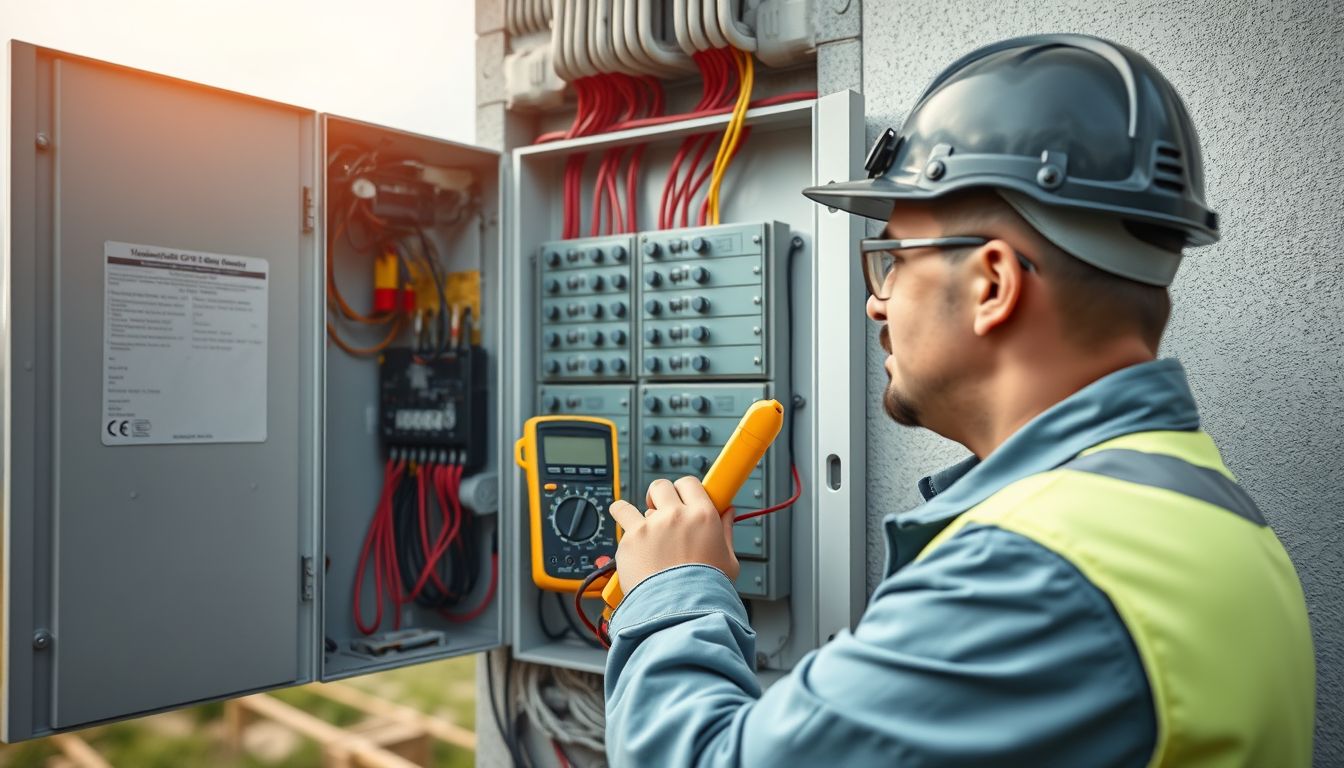
Fixed wire testing — producing an Electrical Installation Condition Report (EICR) — is the periodic check that a building's fixed electrical installation is still safe. It's distinct from PAT testing (which covers plug-in appliances) and from a one-off certificate for new work. Here's what the EICR involves and what the codes on it mean.
What the EICR checks
An EICR is an inspection and test of the fixed installation — distribution boards, wiring, circuits, protective devices, bonding and earthing. It confirms the installation is safe for continued use and identifies anything that isn't. It's carried out by a competent electrician through visual inspection and electrical testing.
The classification codes
Observations on an EICR are coded, and understanding them is key:
- C1 — danger present, risk of injury; immediate action required
- C2 — potentially dangerous; remedial action required
- FI — further investigation needed
- C3 — improvement recommended (not a fail on its own)
An EICR with any C1 or C2 is "unsatisfactory" until those are remedied. C3s don't make it unsatisfactory but are worth addressing.
Intervals
EICR intervals depend on the installation type and use — commonly up to five years for many commercial premises, shorter for higher-risk environments, and the report itself recommends the next date. Work to the recommended interval and the current wiring regulations.
It's distinct from PAT
Fixed wire testing covers the installation; PAT covers portable appliances plugged into it. A building needs both. See PAT Testing Explained: A Practical Guide.
The duty holder acts on the codes
The responsible person must arrange the EICR, act on C1/C2 findings promptly, and keep the report as compliance evidence. This sits within the building's statutory compliance.
Where SiteAudit fits
SiteAudit helps the duty holder track EICR status — scheduling the next test, logging C1/C2 observations as actions to close out, and holding the reports — so electrical safety findings are remedied and evidenced, not filed and forgotten.
Related articles
Get the Site Audit app
Capture issues, generate reports and finish audits faster — right from your phone.


Site Audit is a free construction site audit app for contractors — download the app or see pricing.