Fire Extinguisher Inspection Checklist
November 27, 2026
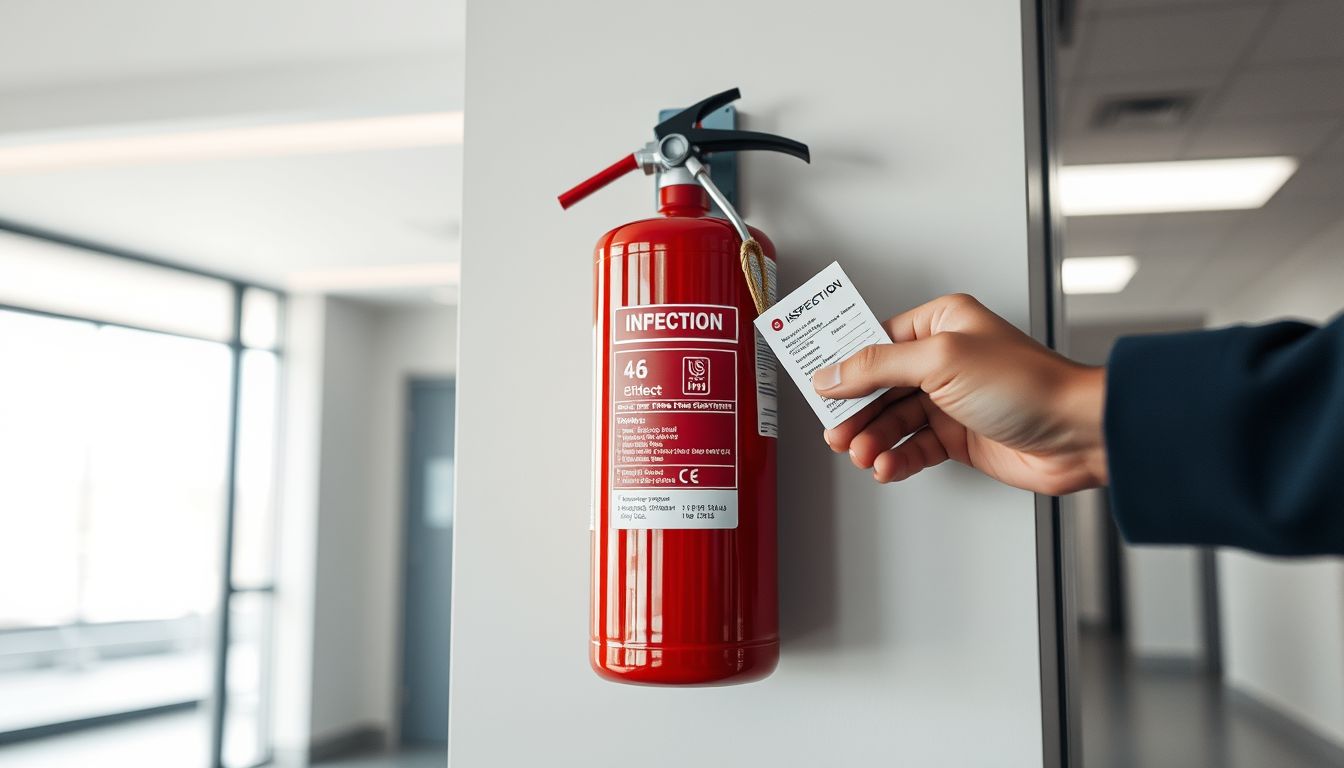
A fire extinguisher is only useful if it's there, charged, the right type, and someone can reach it. All four fail quietly over time — extinguishers wander off, lose pressure, get buried behind stock. A simple routine check keeps them ready. Here's a checklist, alongside the formal service they also need.
The routine (monthly) visual check
A competent person on site can check, roughly monthly:
- Present and in its designated location
- Pressure gauge in the green (where fitted)
- Seal and safety pin intact, not discharged
- No damage, corrosion or leakage
- Signage present and visible
- Accessible — not blocked or buried
- Service label in date
The annual service
A competent extinguisher engineer services each unit annually (with extended tests at longer intervals depending on type). The routine check doesn't replace this; it catches problems between services.
Right type, right place
Extinguishers must match the fire risk — water, foam, CO2, powder, wet chemical each suit different fires, and the wrong type can be dangerous. Placement matters too: on escape routes, near specific risks, at the right height and signed. A CO2 by electrical risk, wet chemical in a kitchen, and so on.
Record each check
Logging the monthly check (and the annual service) is the evidence that extinguishers are maintained — part of the building's fire compliance. See Fire Safety Inspection Checklist for Buildings and What Is a Fire Risk Assessment?.
Where SiteAudit fits
SiteAudit lets you run the monthly extinguisher check from a template — location, gauge, seal, access, service date — photograph any issue, schedule the recurring check, and keep the log beside the annual service records.
Related articles
Get the Site Audit app
Capture issues, generate reports and finish audits faster — right from your phone.


Site Audit is a free construction site audit app for contractors — download the app or see pricing.